
Flap Barrier Gate
Access control is no longer just a “security upgrade”—it has become an operational requirement for modern organizations. From corporate offices in Dhaka to banks, hospitals, government buildings, universities, and metro-style transport hubs, businesses need a system that can control entry smoothly, maintain a professional look and integrate with authentication devices like RFID, fingerprint, face recognition and QR code.
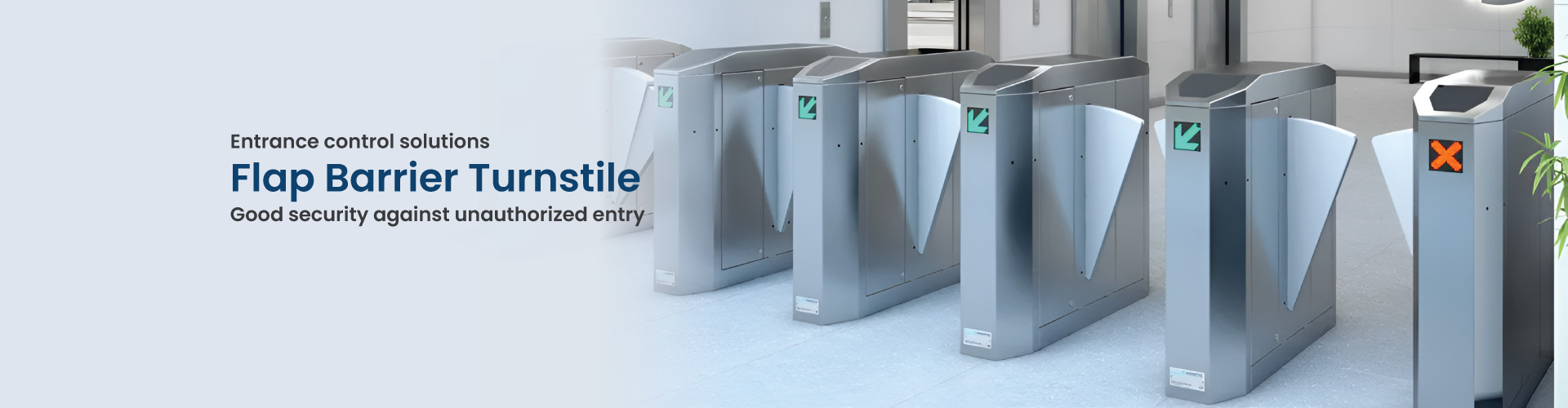
That’s exactly why the Flap Barrier Gate is now one of the most demanded entrance control solutions. A flap barrier is designed to manage pedestrian access with a clean, modern appearance. It offers high throughput (fast movement), good security against unauthorized entry, and excellent integration flexibility—making it ideal for environments where both security and aesthetics matter.
Unlike full height turnstiles used for maximum physical restriction, a flap barrier gate focuses on smart entry management, crowd flow control, and premium access experience. If you operate a high-traffic entrance where people should move quickly and safely, flap barrier gates are a perfect fit.
What is the Flap Barrier Gate ?
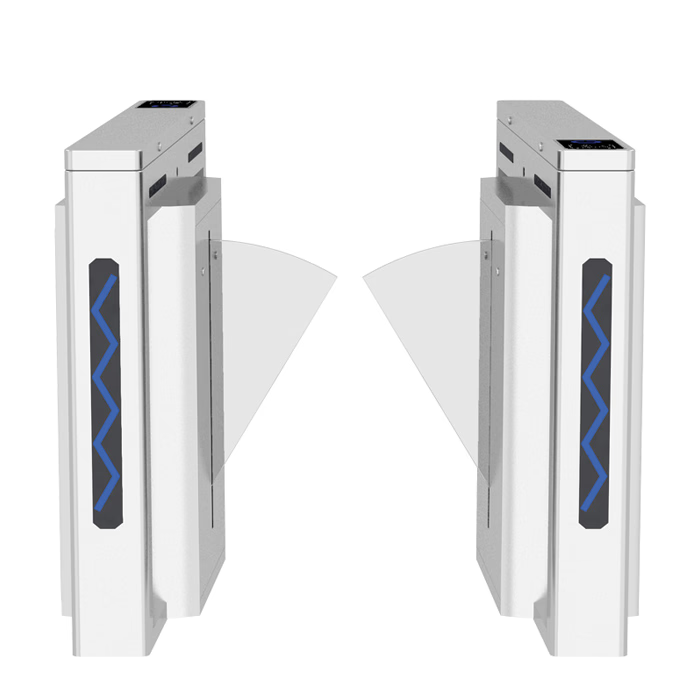
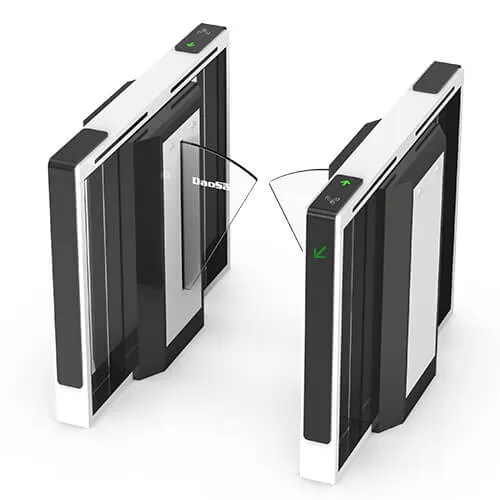
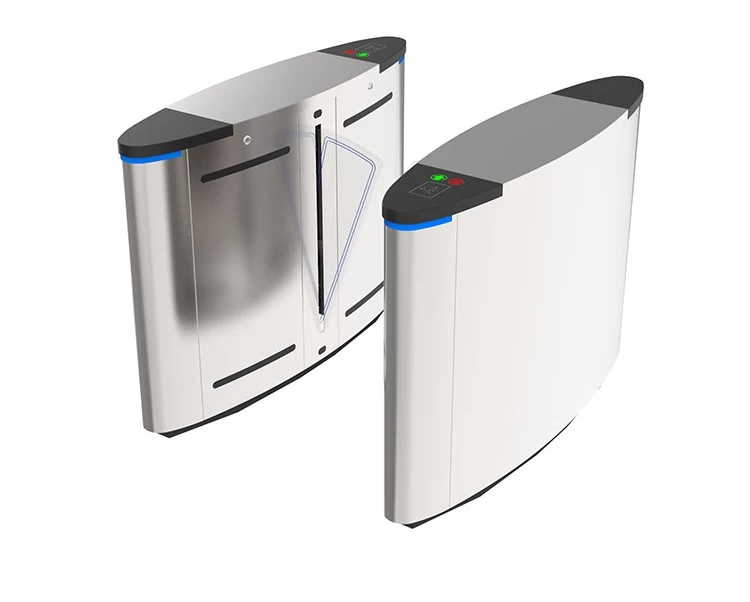
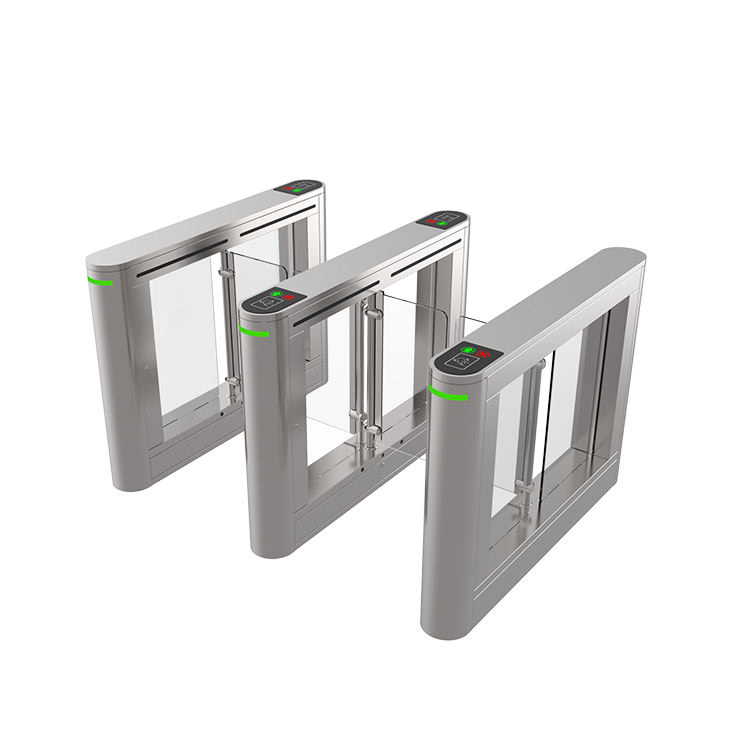
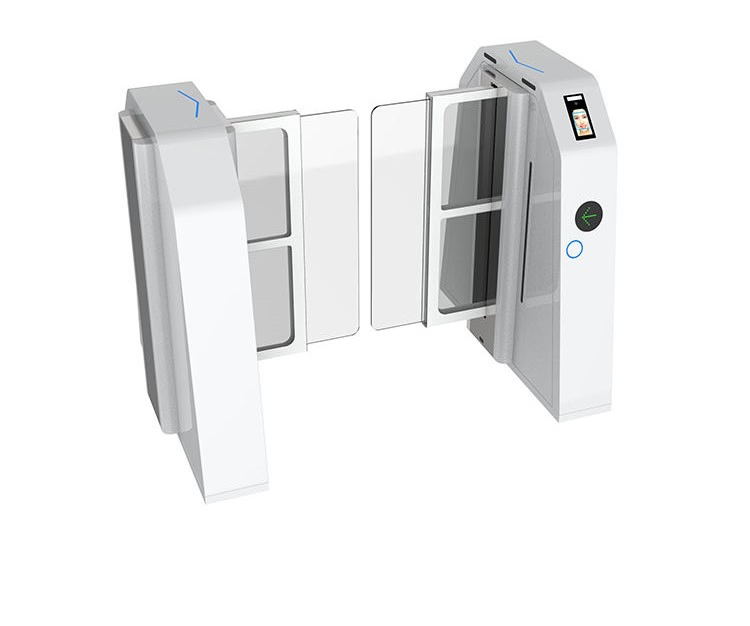
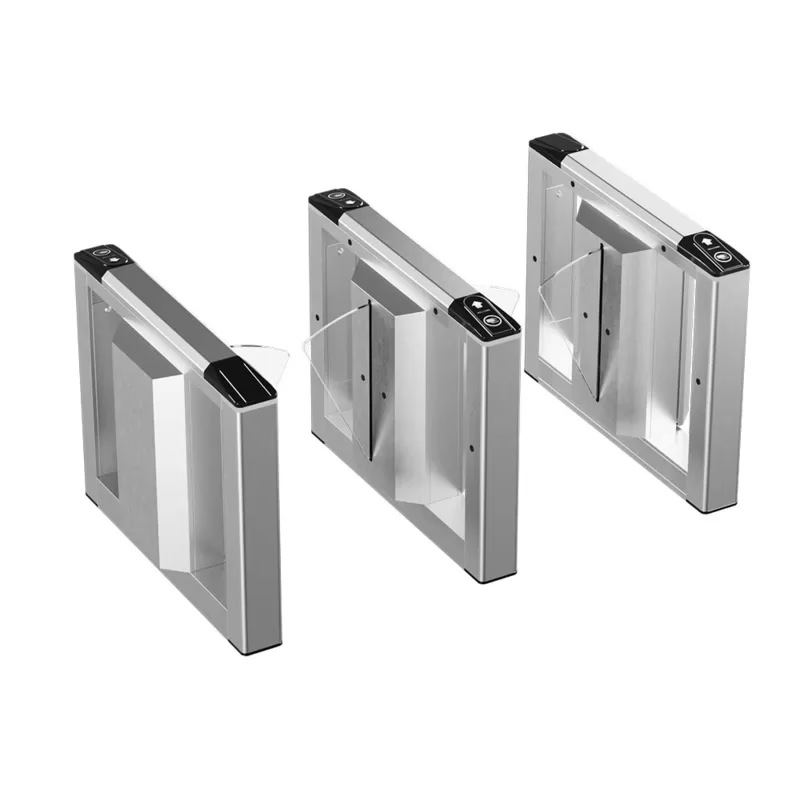
A Flap Barrier Gate is an automated pedestrian access control gate that uses retractable “flaps” (usually acrylic or tempered glass) to open and close a lane. It allows passage only when a user is authorized through an access device such as RFID card, biometric terminal, face recognition, QR code, or visitor management system.
When a valid credential is detected:
- The system unlocks
- The flaps retract/open quickly
- The user passes through
- The flaps close automatically after one pass
Flap barrier gates are commonly installed in lobbies, reception areas, metro stations, airports, corporate floors and premium buildings. In Bangladesh, they are increasingly popular in offices, banks, hospitals, and high-end commercial buildings because they provide a modern look while ensuring controlled entry.
Why Flap Barrier Gates are Popular
Organizations prefer flap barriers because they:
- Look premium and professional
- Handle high foot traffic efficiently
- Reduce manual checking workload
- Support advanced access control integration
- Improve visitor and staff movement discipline
Flap Barrier Turnstile?
A Flap Barrier Turnstile is a type of turnstile system that controls entry using automatic flaps instead of rotating arms. It is called a “turnstile” because it manages access per person and can log entries, but its movement mechanism is different from tripod or full-height turnstiles.
Key difference:
- Tripod Turnstile: rotating arms
- Full Height Turnstile: full-body rotating cage
- Flap Barrier Turnstile: retractable flaps (more modern and elegant)
Flap barrier turnstiles are best for locations that need:
- Fast and comfortable entry
- Controlled access with a premium lobby experience
- Barrier-free design for special lanes (wheelchair, trolley, VIP entry)
How Flap Barrier Gates Work
A typical flap barrier gate system includes:
- Gate body (stainless steel housing)
- Flaps (acrylic or tempered glass)
- Motor and control board
- IR sensors for detection and safety
- Access control input (reader/terminal)
- Optional display indicators (LED arrows, red/green lights)
Operation Flow
- User approaches the lane
- Sensor detects presence
- User authenticates (card/fingerprint/face/QR)
- Gate opens within milliseconds
- User passes through
- Gate closes automatically
- Entry data can be stored in software/reporting system
Common Control Modes
- Entry controlled, exit free
- Entry controlled, exit controlled
- Two-way controlled
- Always open (peak hours or emergency)
- Always locked (restricted mode)
Benefits of Flap Barrier Gate
1) Professional Look for Modern Buildings
Flap barriers are designed for premium entrances. They match corporate interiors and create a high-end first impression.
2) High Traffic Handling (Fast Throughput)
Flap barrier gates support quick opening/closing cycles, ideal for:
- Office rush hours
- Visitor peaks
- Shift changes
3) Strong Access Control Integration
Flap barrier gates can connect with:
- RFID card access control
- Fingerprint attendance devices
- Face recognition terminals
- QR ticketing systems
- Visitor management software
- Elevator control (advanced projects)
4) Improved Entry Discipline & Reduced Unauthorized Access
They prevent random walk-ins and support one-person entry logic (with sensors + access control rules).
5) User-Friendly & Safe
IR sensors help detect obstacles and prevent flaps from closing on users. This improves safety, especially for:
- Elderly visitors
- Children
- Luggage/trolley traffic
6) Suitable for Accessible Lanes
Many projects install a wider flap barrier lane for:
- Wheelchair access
- Stroller/trolley movement
- VIP lane requirements
Where Flap Barrier Gates are Used
Flap barrier gates are most effective in places where aesthetics + access control + speed matter:
Corporate Offices & Business Centers
- Controlled employee access
- Modern lobby design
- Integration with HR attendance systems
Banks & Financial Institutions
- Restricted customer/staff zones
- Improved branch security
- Visitor control and logs
Hospitals & Diagnostic Centers
- Controlled access to restricted areas
- Staff entry control
- Better crowd management
Universities & Educational Campuses
- Student entry control
- Library or lab restriction
- Hostel and sensitive zone access
Metro Stations / Transport Terminals
- Ticket-based access control
- High throughput lanes
- Direction control entry/exit
Government & High-Security Buildings
- Access-based entry
- Visitor logs
- Better perimeter discipline (indoor zones)
Types of Flap Barrier Gate
1) Single Lane Flap Barrier Gate
Ideal for:
- Small offices
- Reception entrances
- Limited traffic environments
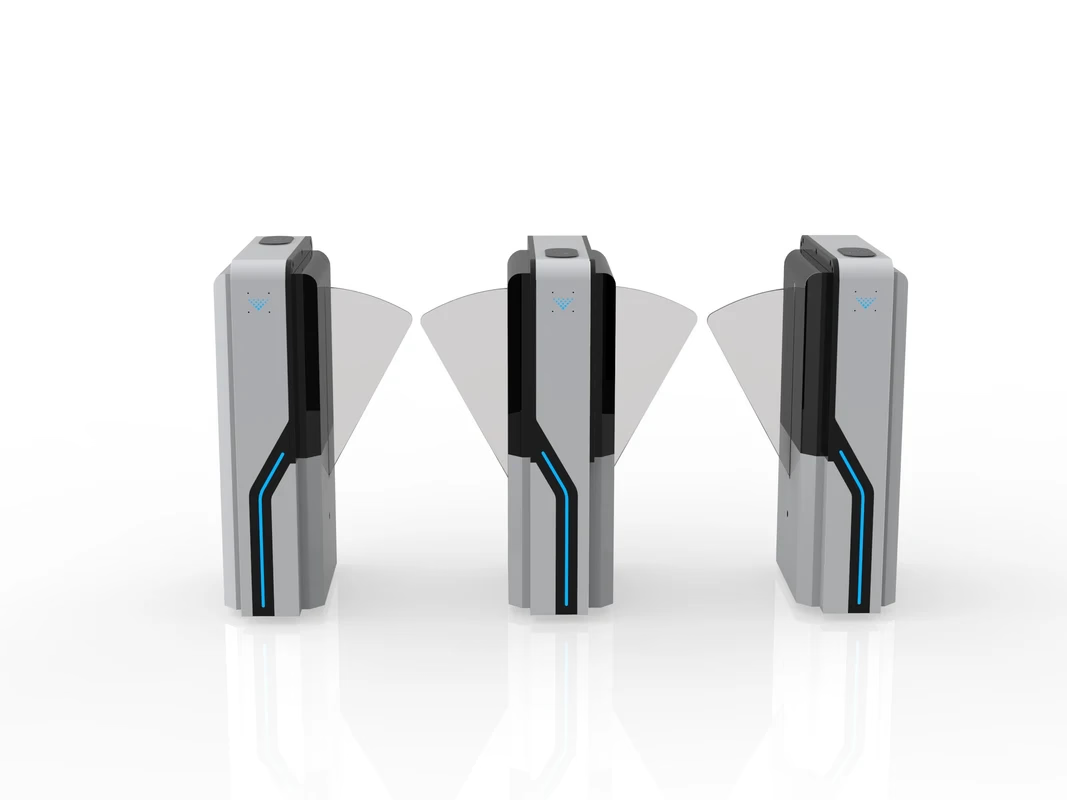
2) Multi-Lane Flap Barrier System
Ideal for:
- Corporate towers
- Stations
- Campuses with heavy movement
3) Speed Gate (Premium Flap Barrier)
A higher-end option with:
- Faster flap response
- Sleek cabinet design
- iImproved sensor accuracy
Best for: - Premium corporate lobbies
- Airports, VIP buildings
4) Glass Flap Barrier Gate
Uses tempered glass flaps for:
- Clean, premium appearance
- Modern architecture matching
5) Wide Lane Flap Barrier (Accessible Lane)
Designed for:
- Wheelchair users
- Trolley movement
- Accessibility compliance projects
Key Features to Look For Before Buying
When selecting a Flap Barrier Gate in Bangladesh, focus on these practical points:
Build & Material
- Stainless steel body (anti-rust)
- Durable cabinet finishing
- Stable lane structure for long-term use
Motor & Performance
- Smooth and fast operation
- Low noise
- Stable open/close cycle for high traffic
Sensor System (Very Important)
- Multi-beam IR sensors for safety
- Anti-tailgating detection
- Anti-reverse / wrong direction alarm
Authentication & Integration
- Dry contact / relay support
- Wiegand / TCP/IP / RS485 support (depending on system)
- Compatibility with access control controllers and readers
Security Logic
- One-pass authorization control
- Anti-passback support (with system)
- Alarm output option
Power & Backup Support
- Stable power requirement
- UPS compatibility for uninterrupted operation during outages
Integration Options
RFID Card / Smart Card
Best for:
- Employees in offices and factories
- Fast entry with low operational cost
Fingerprint
Best for:
- Attendance + access combined
- Organizations needing higher identity accuracy
Face Recognition
Best for:
- Touchless, fast, modern access
- Premium offices and hospitals
QR Code / Ticketing
Best for:
- Visitor entry
- Metro/transport projects
- Event entrances and membership systems
Visitor Management System (VMS)
Best for:
- Visitor approvals
- Reception-managed entry
- Log and reporting needs
How to Choose the Right Flap Barrier Gate
Use this checklist for the right selection:
1) Traffic Volume
- Low traffic: standard single lane
- Medium/high: multi-lane + faster motor
- Heavy peak: speed gates recommended
2) Security Requirement
- Standard: flap barrier with RFID
- Higher security: flap barrier + face/fingerprint + anti-tailgating + alarm integration
3) Environment (Indoor vs Semi-Outdoor)
Flap barriers are mainly indoor. If semi-outdoor:
- Ensure weather protection
- Consider canopy and protected placement
4) Lane Width Requirements
- Standard lanes for normal entry
- Wide lane for wheelchair/trolley
5) After-Sales Service in Bangladesh
Choose a supplier/installer who can provide:
- Site survey and lane planning
- Proper installation and wiring
- Integration with access control system
- Software setup and reporting support
- Maintenance and spare parts availability
Common Issues and Solutions
Issue: Tailgating attempts
Solution: enable anti-tailgating sensors + one-pass rule + audible alarm.
Issue: False sensor triggers
Solution: correct sensor calibration + proper lane alignment + reduce reflective interference.
Issue: Slow entry during rush hour
Solution: add extra lanes, use faster readers, upgrade to speed gate.
Issue: Power outages affecting operation
Solution: UPS backup + surge protection.
Final Thought
A Flap Barrier Gate is one of the smartest choices for organizations that want secure access control with a modern, premium entry experience. It’s fast, user-friendly, and highly compatible with today’s authentication systems like RFID, fingerprint, face recognition, QR ticketing, and visitor management solutions.