
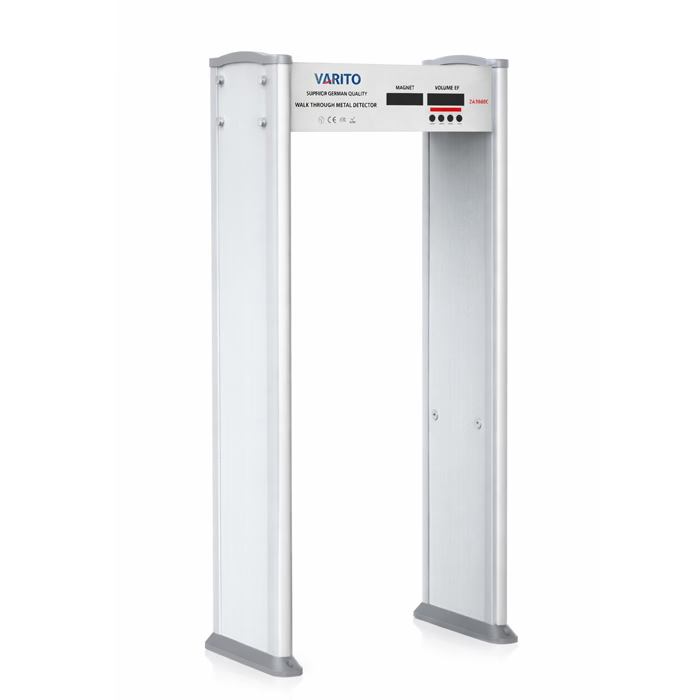
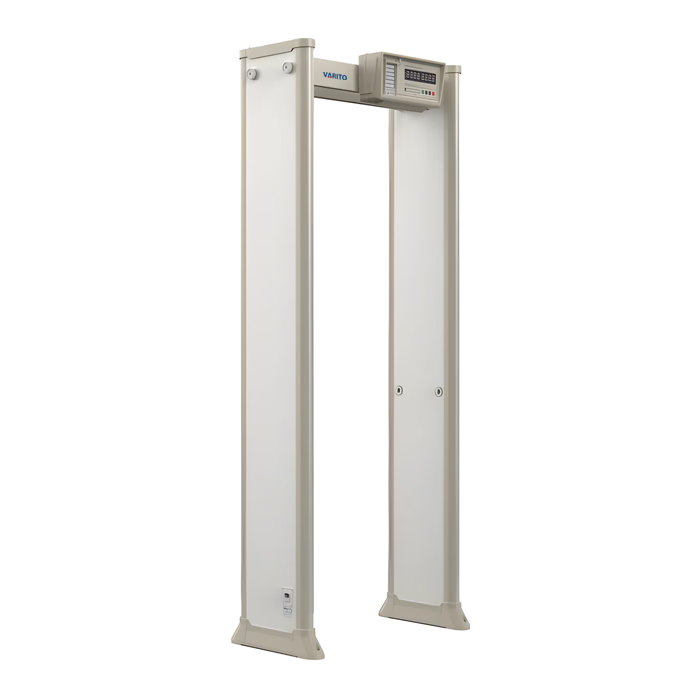
Walk Through Metal Detector
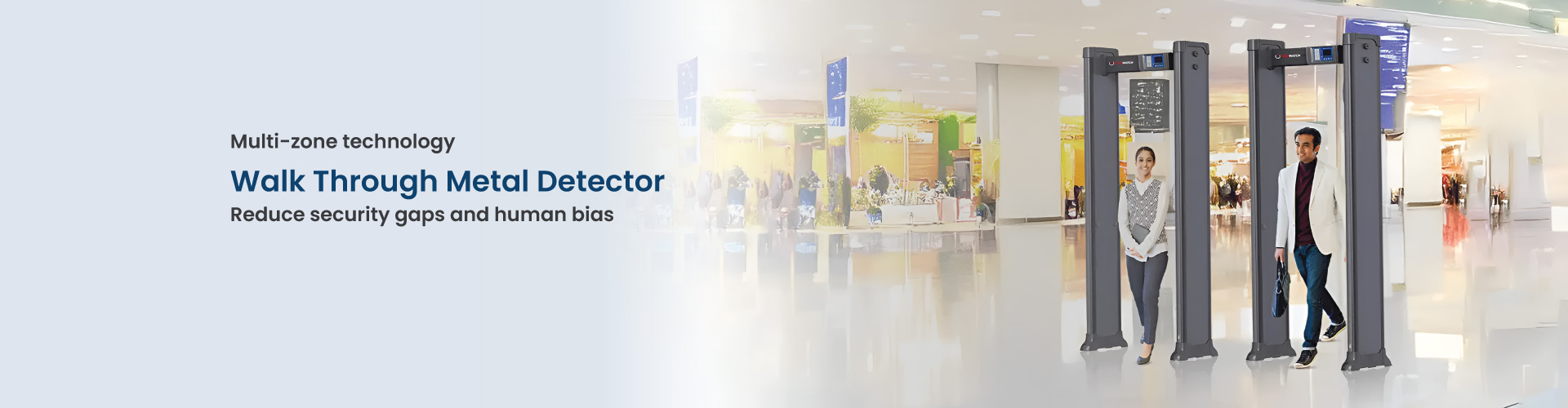
A Walk Through Metal Detector (WTMD)—also called a door frame metal detector or security detection gate is one of the most reliable tools for controlling entrances and preventing weapons, contraband, and metal-based threats from entering a secure area. From airports and railway stations to offices, factories, courts, stadiums, shopping malls, schools, and event venues, walk-through metal detectors help security teams screen large volumes of people quickly, consistently, and professionally.
What is a Walk Through Metal Detector?
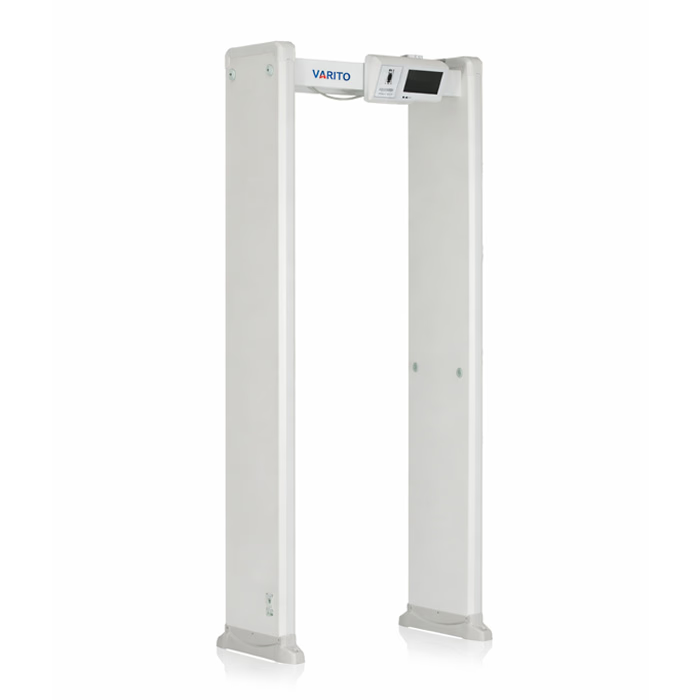
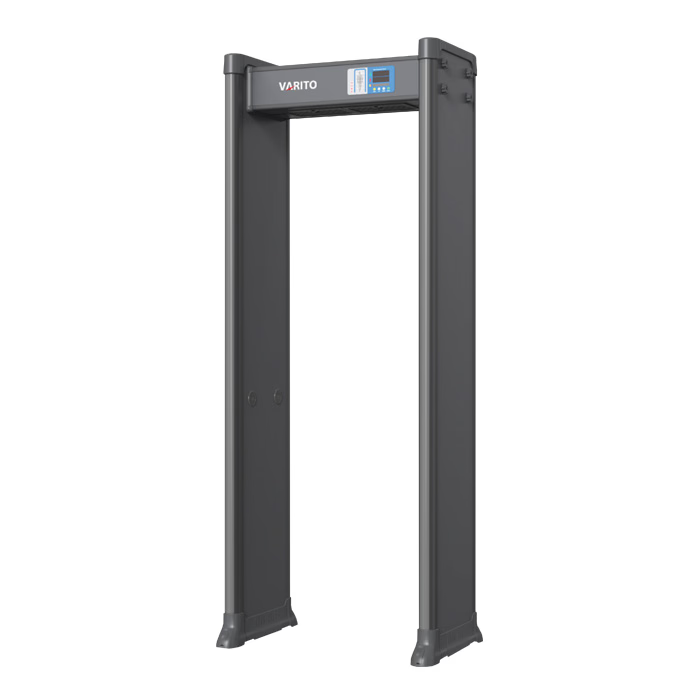
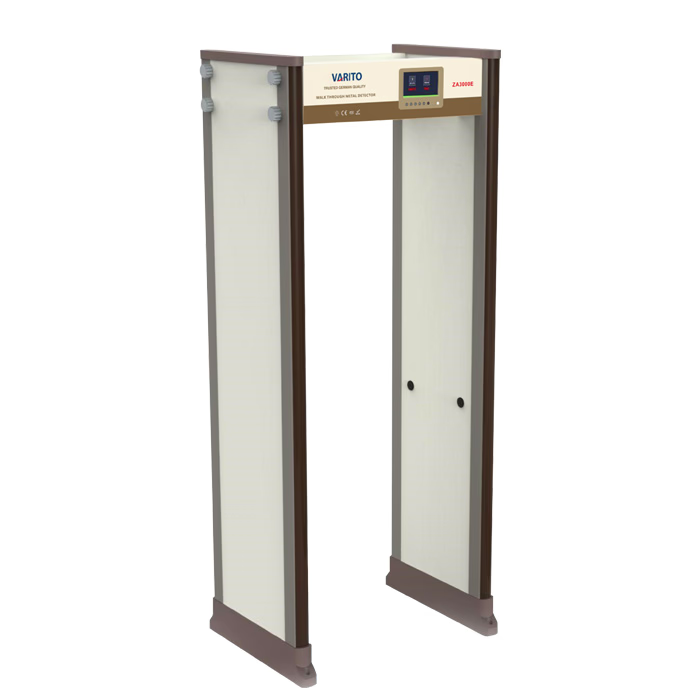
A Walk Through Metal Detector is a security screening device designed as an archway gate. When a person walks through it, the system generates an electromagnetic field and detects disturbances caused by metal objects (such as knives, guns, blades, metallic tools, or hidden metal parts). When metal is detected above a set threshold, the unit triggers audible and visual alarms so security staff can perform a secondary inspection (often with a handheld metal detector).
Many WTMD systems use multi-zone technology to show where metal is detected on the body (for example, lower legs, waist, chest, or upper body), allowing faster screening and fewer delays. General industry explanations describe walk-through metal detectors as using electromagnetic technology and sensors to detect metal items on a person and alarm accordingly.
How a Walk Through Metal Detector Works
Most walk-through detectors work like this:
- Field generation: The detector creates a controlled electromagnetic field in the archway.
- Object interaction: When someone with metal passes through, the metal interacts with the field and changes the measured signal.
- Signal processing: Digital processing (often DSP) analyzes that change and compares it with your sensitivity/security settings.
- Alarm output: If the signal exceeds the set threshold, the unit activates sound + light alarms and (in multi-zone models) indicates the approximate location of the metal.
Because the process is automated and consistent, the same screening standard can be applied to everyone entering the facility—reducing security gaps and human bias.
Where Walk Through Metal Detectors are Used
A well-chosen WTMD is ideal for any controlled entry point where safety and flow both matter:
- Airports & transport hubs: passenger entry, staff access lanes
- Railway/metro stations: controlled gate screening
- Government buildings, courts, embassies
- Factories, warehouses, industrial facilities
- Shopping malls and large commercial buildings
- Hotels, exhibitions, trade fairs
- Stadiums, concerts, events
- Schools, universities, hospitals
- Prisons and high-security facilities (often with stricter settings and testing requirements)
These environments choose WTMDs because they combine high throughput with strong deterrence—people behave differently when screening is visible.
Key Benefits of a Walk Through Metal Detector
1) Fast screening and smoother entry
A walk-through detector allows continuous flow—people can pass one by one without long stop-and-search processes. Multi-zone location indicators speed up secondary checks.
2) Strong deterrence effect
Visible screening reduces attempted entry of knives, weapons, and contraband. Even when nothing is found, the presence of screening improves behavior.
3) Consistent security standard
Manual checks vary by person and shift. A detector uses the same sensitivity rules every time, improving consistency.
4) Reduces workload for guards
Instead of random bag/physical checks, guards focus on alarms and exceptions—more efficient security operations.
5) Professional security image
For corporate HQs, malls, hotels, and venues, a WTMD checkpoint signals serious safety management—important for reputation and compliance.
Types of Walk Through Metal Detectors
A) Single-Zone vs Multi-Zone
- Single-zone units detect metal but give limited information about where it is.
- Multi-zone units divide the archway into multiple detection “zones” and indicate the approximate location on the body.
Multi-zone is usually preferred because it speeds screening and reduces frustration during secondary checks.
B) Zone Counts (6 / 12 / 18 / 24 / 33 and more)
Zone count varies by model and brand. It typically means better location accuracy and faster follow-up checks:
- 6 zones: practical for basic entrances
- 12–18 zones: strong balance of accuracy and cost
- 24–33 zones: higher precision for strict screening environments (large events, high security, sensitive facilities)
Examples from manufacturer and product pages show systems offering up to 33 zones and high sensitivity levels, highlighting how common multi-zone capability has become.
C) Indoor vs Outdoor / Weatherproof Models
If the detector will be placed at an external entrance (temporary event gates, outdoor stadium lanes), you may need:
- Weather resistance
- Stable performance under temperature changes
- Stronger anti-interference design
Most Important Features
1) Adjustable sensitivity (security levels)
WTMDs allow you to set sensitivity based on your facility risk:
- Low sensitivity for public venues needing fewer false alarms
- Higher sensitivity for strict security environments
Many products list sensitivity as multi-step adjustable levels (sometimes hundreds of steps).
2) Multi-zone alarm indication (pinpoint location)
Instead of “metal detected somewhere,” multi-zone systems indicate approximate location (e.g., left side, upper body, lower body), speeding up handheld follow-ups.
3) Sound + LED alarm system
Good units include:
- Loud alarm tones (audible alert)
- LED indicators (visual)
- Sometimes multiple alarm sound options and timed alarms
4) Counter functions (people count + alarm count)
Many WTMDs include IR sensors to count:
- How many people passed
- How many alarms occurred
This is useful for daily reporting and security management (especially for events and corporate facilities).
5) Anti-interference / stability in real environments
Real entrances have interference sources: nearby metal structures, power cables, electronics, crowd movement, even vibration. Higher-quality systems include better digital filtering and stability design to reduce nuisance alarms.
6) User-friendly display and quick setup
Modern units often include:
- LCD screen
- Quick configuration presets
- Role-based settings for supervisors/operators
- Optional monitoring/logs depending on brand
How to Choose the Right Walk Through Metal Detector
Here is a practical buying checklist you can add to your product-category page:
Step 1: Define the risk level of your entrance
Ask:
- Are you preventing knives and weapons?
- Are you controlling staff access for a sensitive facility?
- Is it a public venue where high throughput matters more than strict sensitivity?
Step 2: Estimate daily traffic (throughput)
- Low traffic (office): 6–12 zone can be enough
- Medium traffic (mall/hotel): 12–18 zone recommended
- High traffic (station/event): 18–33 zone for faster pinpointing and flow
Step 3: Decide false-alarm tolerance
High sensitivity catches smaller metal items—but triggers more alarms from:
- Belts, keys, coins, watches
- Steel-toe shoes
- Phones and metal accessories
For public venues, you may want a balanced setting to keep entry smooth.
Step 4: Choose zone accuracy and display style
If your guard team is small, multi-zone indication is extremely valuable. It reduces search time and makes screening less confrontational.
Step 5: Consider environment and interference
- Indoor vs outdoor installation
- Nearby metal structures
- Nearby power equipment or electronics
- Temperature and humidity conditions
Step 6: Focus on support, warranty, and spare parts
The best detector is not only “good on day one,” but stays accurate after months of use. Choose a supplier that provides:
- Installation and configuration
- Training
- Service support
- Spare parts availability
- Preventive maintenance options
Best-Practice Walk Through Metal Detector Setup
A WTMD performs best when the entrance is designed like a proper checkpoint:
- Clear walking path: no metal barriers too close to the gate
- Queue line management: rope barriers to maintain spacing
- Pre-screen instruction signs: “Remove metal items from pockets,” “No keys/coins,” “Place items in tray”
- Secondary check zone: handheld detector + small table nearby
- Operator positioning: guard stands with clear line of sight and quick access to handheld
Walk Through Metal Detector vs Handheld Metal Detector
These are not “either-or.” In professional security, they work together:
- Walk Through Metal Detector: primary screening for everyone
- Handheld Metal Detector: secondary inspection only when the WTMD alarms
A combined workflow is faster and more accurate than relying on only one tool.
Common Mistakes
- Buying too low-end for the site risk
A busy station or high-security entrance needs multi-zone accuracy and stability. - Installing too close to metal structures
Metal railings or large metal frames near the gate can increase nuisance alarms. - No operator training
Even the best detector fails if staff don’t understand sensitivity settings and screening process.
Ignoring after-sales support
If a unit needs service and parts are unavailable, your security lane goes offline.
These small operational details reduce nuisance alarms and improve visitor experience.
Final Thought
A Walk Through Metal Detector is one of the most effective, visible, and scalable security tools for controlling entry points. It improves safety, speeds up screening, and reduces workload—especially when you choose the right zone configuration, adjust sensitivity correctly, and design a clean checkpoint workflow.