
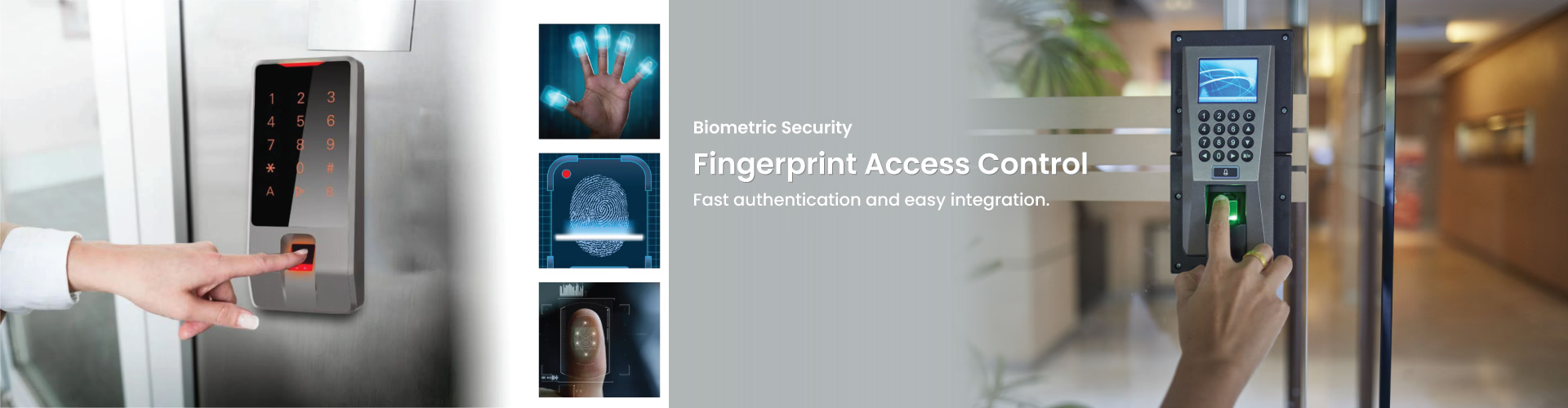

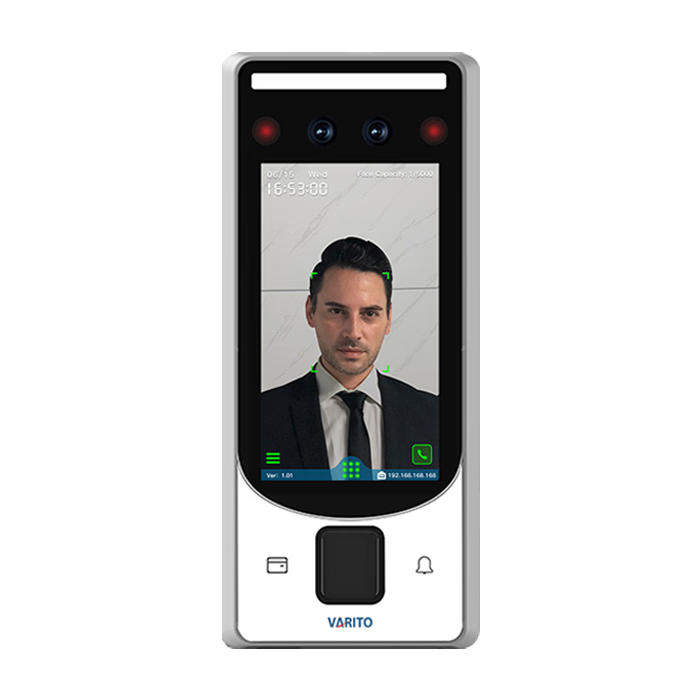
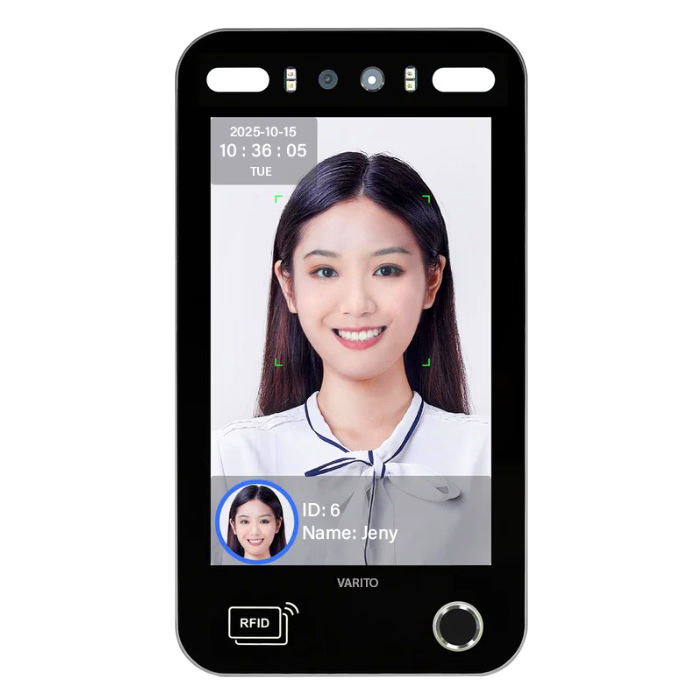

Fingerprint Access Control – Biometric Security
A Fingerprint Recognition Access Control system is one of the most trusted biometric security methods for controlling entry to doors, gates, and restricted areas. Instead of relying on keys, cards, or passwords, fingerprint access control verifies identity using a person’s fingerprint—an уник, personal credential that is difficult to copy and cannot be easily shared.
For modern organizations, fingerprint access control offers an excellent combination of security, speed, accountability and convenience. It helps protect sensitive zones, prevents unauthorized entry, supports staff attendance discipline, and creates a clean audit trail of who accessed which area and when.
VARITO provides professional fingerprint access control solutions designed for real-world environments corporate offices, factories, campuses, residential buildings, and facilities where reliable identity verification matters.
What Is Fingerprint Recognition Access Control?
Fingerprint recognition access control is a biometric authentication system that grants or denies access by matching a scanned fingerprint against authorized fingerprint templates stored in the system.
A typical system includes:
- A fingerprint reader or biometric terminal
- Access control logic (controller)
- Door lock interface (electric strike, magnetic lock, or gate control)
- Optional software for user management, reporting, and schedules
When a user places a finger on the sensor, the system captures a fingerprint image (or pattern), extracts unique features, and compares them to enrolled templates. If the match meets the set threshold, access is granted and the door or gate unlocks.
Why Fingerprint Access Control Remains a Top Choice
Biometric access control has expanded beyond high-security environments because it solves common problems found in traditional entry methods:
1) Strong Identity Verification
Keys can be copied, cards can be shared, and PIN codes can be observed. Fingerprints, however, verify a real person—making unauthorized access significantly harder.
2) Fast and Efficient Entry
Modern biometric terminals are designed for quick verification and smooth flow. This is especially useful in busy workplaces where many people enter within short time windows.
3) Eliminates Credential Sharing
In workplaces, credential sharing is a major reason attendance systems fail. A fingerprint-based system reduces “buddy punching” and enforces authentic check-ins.
4) Clear Logs and Accountability
Fingerprint systems can create accurate access logs that support security monitoring, compliance needs, and incident investigations.
5) Works Well as Part of a Larger System
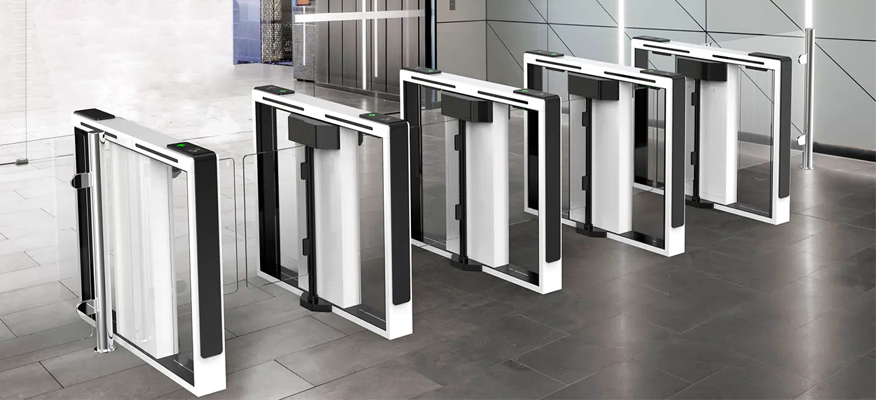
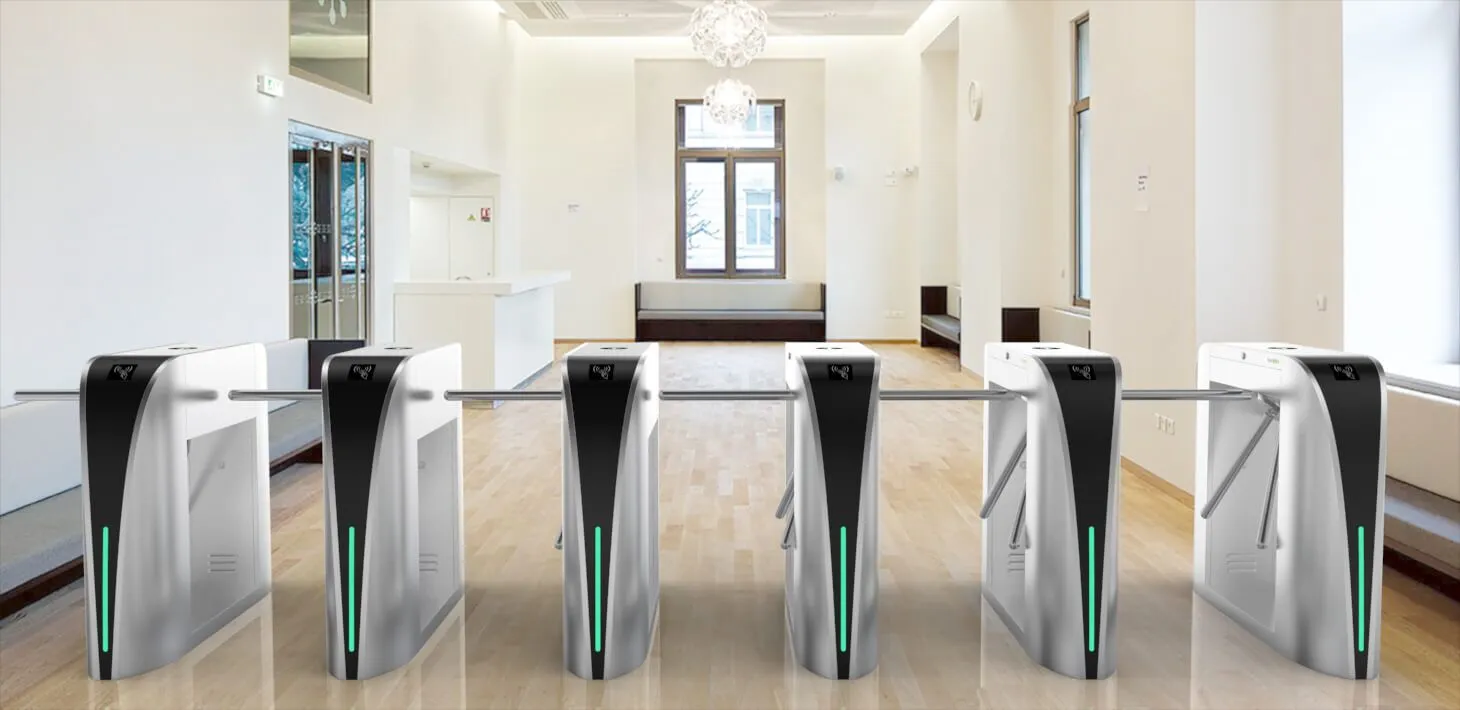
Fingerprint access control integrates easily with door controllers, time attendance software, visitor management, and entry barriers (turnstiles, boom barriers, etc.).
How VARITO Fingerprint Access Control Works
A VARITO fingerprint access control setup typically follows a simple workflow:
Step 1: Enrollment
Users are registered in the system by capturing one or more fingerprint templates. Admins can assign access levels, schedules, and door permissions.
Step 2: Authentication
At the entrance, the user places their finger on the sensor. The device scans the fingerprint and extracts key features.
Step 3: Match & Decision
The terminal compares the captured fingerprint to stored templates. If a match is found, it triggers the lock or gate to open.
Step 4: Logging & Reporting
Each access event is recorded with user identity, timestamp, location, and event type (entry/exit/denied). Logs can be used for reports and security audits.
Depending on the deployment, management can be done locally on-device or through centralized software.
Where Fingerprint Access Control Is Used
Fingerprint-based access control is ideal for a wide range of facilities, especially where staff entry needs reliable identity verification:
- Corporate offices and shared workspaces
- Factories and industrial sites
- Warehouses and logistics hubs
- Educational institutions and campuses
- Hospitals, clinics, and staff-only zones
- Residential buildings and gated facilities
- Government buildings and secure departments
- Server rooms, labs, and restricted areas
It can be used for main entrances or for sensitive internal zones where stricter access control is required.
Key Features to Look for in a Fingerprint Access Control System
Not all fingerprint systems perform the same, especially under daily heavy usage. When choosing a biometric access solution, focus on practical features that increase reliability and usability.
1) High-Quality Fingerprint Sensor
A good sensor improves recognition speed and reduces false rejects. Sensor quality matters most in busy environments where users scan quickly.
2) Fast Recognition Speed
In real facilities, speed prevents queues. Modern systems are designed to handle continuous daily use without slowing entry.
3) Capacity for Users and Logs
Choose a system with sufficient user capacity and large event storage. This matters for organizations with growth plans or multiple shifts.
4) Durable Build for Daily Use
Fingerprints are often used multiple times a day per person. Strong materials, robust design, and stable buttons/touch display improve longevity.
5) Flexible Access Methods (Optional)
Many organizations prefer a backup option such as RFID card, PIN, or mobile credential for special cases. Multi-factor support can add convenience without reducing security.
6) Integration Compatibility
A professional system should support integration with:
- Door locks and relay outputs
- Access controllers and panels
- Time attendance software
- Network communication for centralized management
- Turnstiles or barrier gates where needed
Fingerprint Access Control vs Other Methods
Fingerprint vs RFID Card Access
RFID is fast and convenient but can be shared or lost. Fingerprint verifies identity and reduces unauthorized use through credential sharing.
Fingerprint vs PIN Code Access
PIN codes are easy to implement but less secure due to guessing or observation. Fingerprint improves security and removes the need to remember codes.
Fingerprint vs Face Recognition
Face recognition is touchless and often very fast for high-traffic entrances. Fingerprint is extremely reliable and cost-effective, especially for attendance-focused environments. Many organizations use both: face at main entrances, fingerprint for department-level access or workforce tracking.
Best Practices for a Reliable Fingerprint Deployment
To get the best results from fingerprint recognition access control, consider these practical deployment tips:
Use Proper Placement and Entry Layout
Install terminals at a comfortable height and provide clear approach space so users can scan easily without congestion.
Enroll Users Carefully
Quality enrollment improves recognition accuracy. Capture multiple finger templates per user when possible to reduce issues caused by minor cuts or changes.
Define Access Rules and Time Schedules
A strong system is not only hardware—it is also policy. Define who can access which doors, at what times, and with what permissions.
Maintain Devices for Long-Term Performance
Regular cleaning of sensors and routine inspection helps maintain fast and accurate scanning in busy environments.
Consider Multi-Factor for Sensitive Areas
For high-security zones, combine fingerprints with card or PIN. This creates stronger protection and a clear compliance trail.
Why Choose VARITO for Fingerprint Recognition Access Control?
VARITO solutions are built for organizations that need dependable, professional security systems that work every day without friction.
Key advantages include:
- Biometric authentication for real identity verification
- Reliable operation for busy entrances and shift-based environments
- Compatibility with access control systems and door locks
- Support for attendance tracking and security reporting
- Scalable deployment for multi-door and multi-site setups
- Professional ecosystem approach to entry security
Whether you are securing a single entry point or building a multi-location access strategy, VARITO fingerprint solutions provide a future-ready foundation.
Final Thoughts – Fingerprint Recognition Access Control
Fingerprint recognition access control remains one of the most practical and proven biometric security technologies for modern facilities. It combines strong identity verification with everyday convenience, helping organizations reduce unauthorized entry, eliminate credential sharing, and maintain accurate access logs for better accountability.
When paired with smart access rules, reliable hardware, and integration-ready deployment, fingerprint access control becomes more than a door system it becomes a secure operational tool that supports compliance, workforce discipline, and long-term facility protection.
For organizations that want secure entry management with dependable biometric performance, VARITO Fingerprint Recognition Access Control is a strong choice for building a modern, scalable, and professional security environment.
Key Applications of Milesight's People Sensing Sensors
Retail (Mall / Store / Supermarket)
Bi-directional footfall counting, dwell time detection, heat map analysis এবং customer behavior optimization।