

Face Recognition Access Control – Smart, Touchless Security
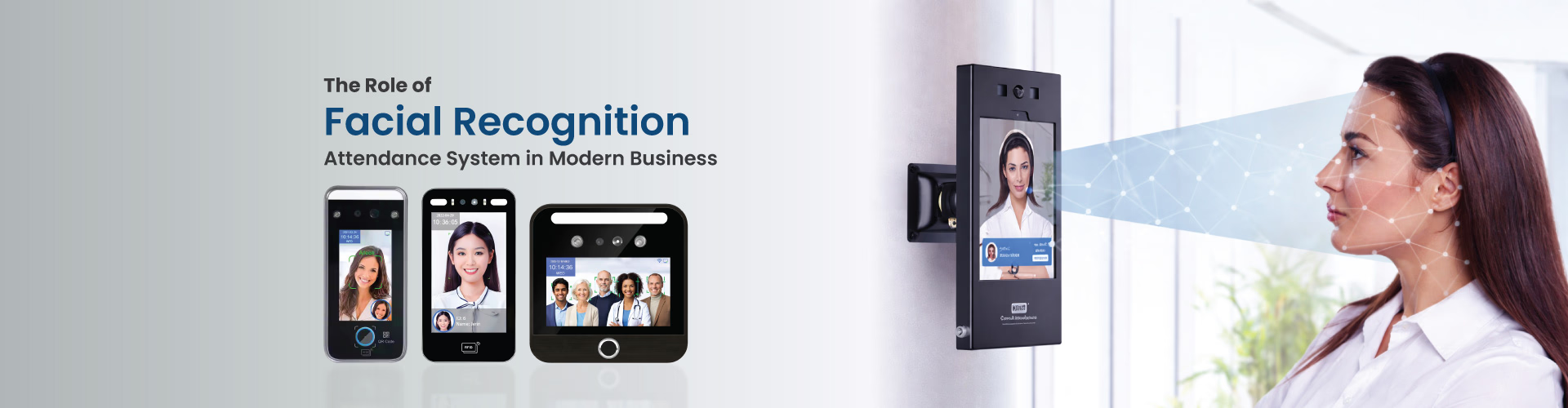
Face Recognition Access Control is one of the most advanced and user-friendly ways to manage secure entry in modern buildings. Instead of keys, PIN codes, or physical cards, a face recognition access system verifies identity using facial biometrics allowing fast, touchless access while improving security, accountability, and overall visitor flow.
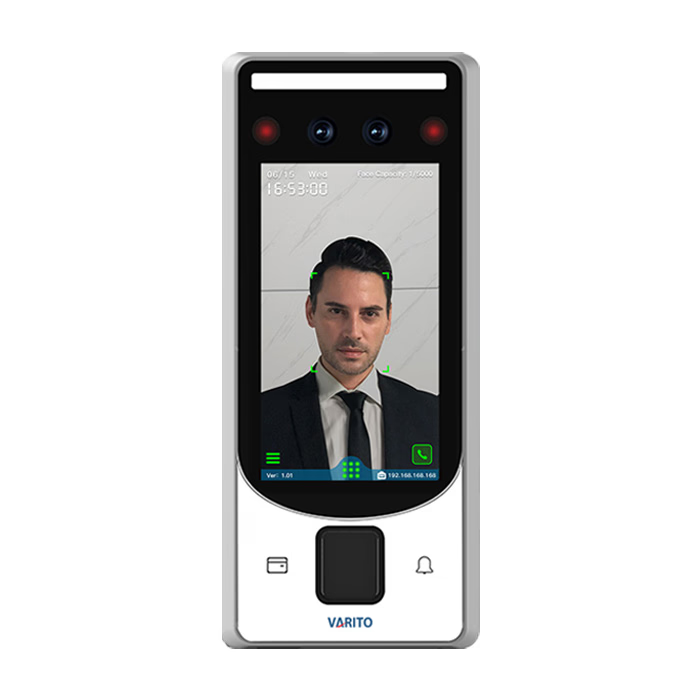
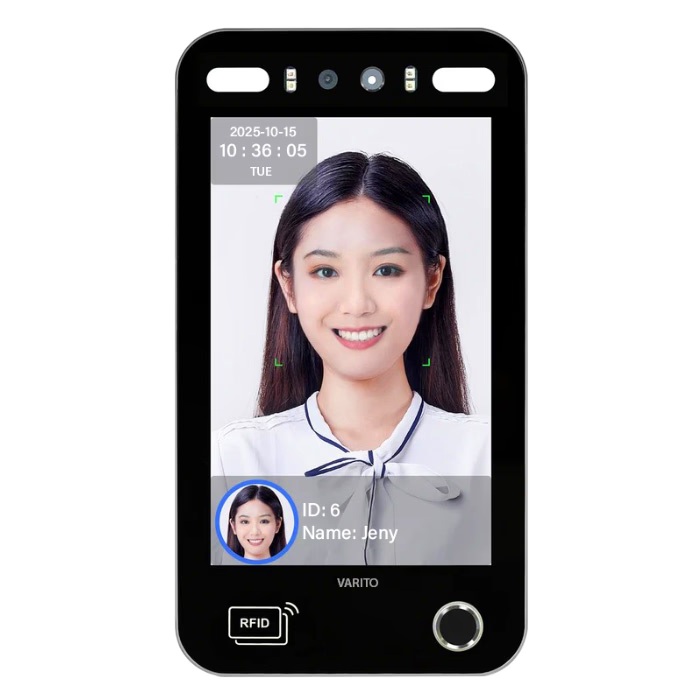
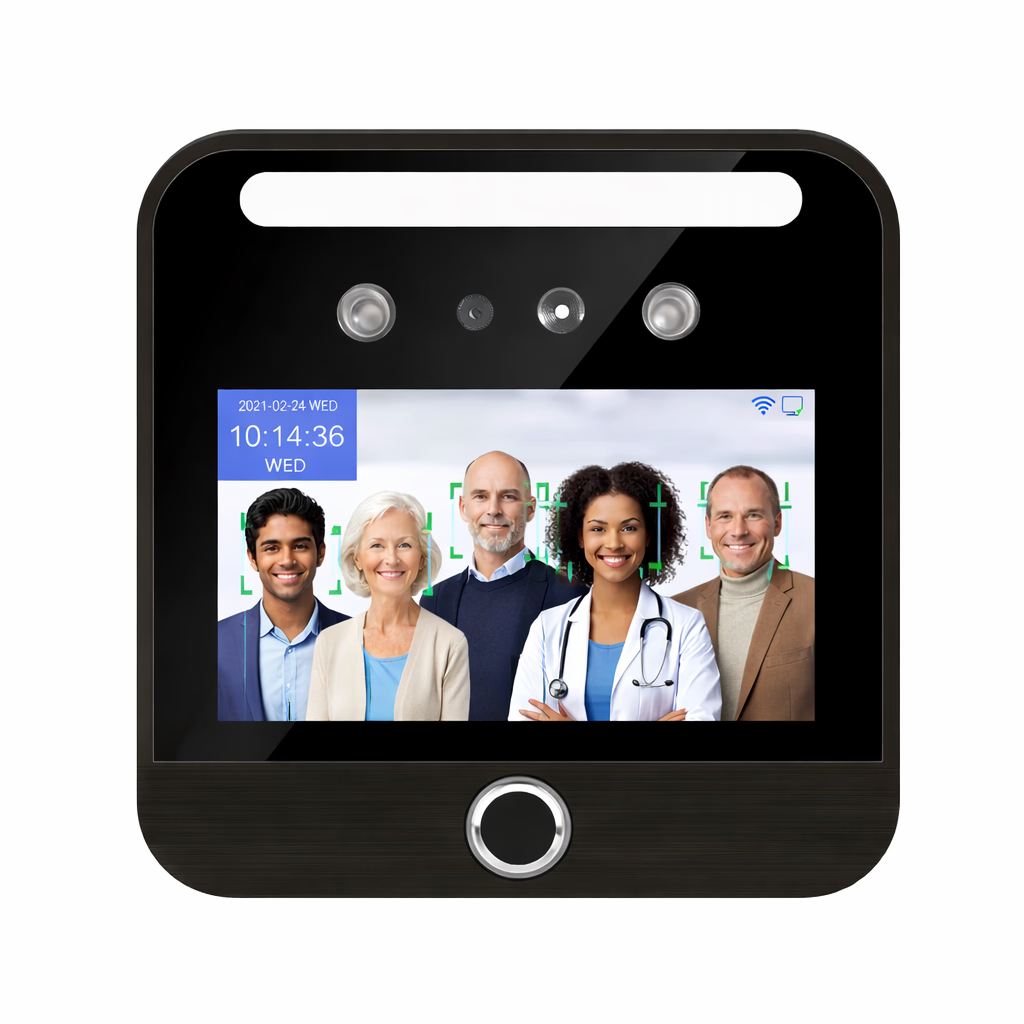
VARITO Face Recognition Access Control solutions are designed for organizations that want a dependable, professional-grade system for offices, industrial facilities, institutions, residential complexes, and high-security environments. Whether you need a single door controller or a multi-site access ecosystem, VARITO delivers scalable devices and integration-ready options built for real-world operations.
What Is Face Recognition Access Control?
A face recognition access control system is a biometric security solution that grants or denies entry by matching a person’s face to authorized templates stored in the system. When a user approaches the access terminal, the device captures an image (or video frame), extracts key facial features, and compares them with enrolled identities. If the match is successful, the system triggers the door lock, turnstile, or barrier to open.
Compared to traditional access methods, facial access control offers a stronger identity layer. Cards can be lost or shared, passwords can be guessed, and keys can be copied. A person’s face, however, is far harder to duplicate making facial recognition one of the most effective tools for modern access management.
Why Face Recognition Is Becoming the Standard for Secure Entry
Organizations are upgrading to face recognition for three main reasons: security, speed and convenience.
1) Touchless, Fast Authentication
Face recognition reduces friction at entry points. Users don’t need to touch keypads, carry cards, or remember passwords. In many deployments, verification happens in seconds improving flow at busy entrances.
2) Stronger Identity Control
Face recognition verifies “who someone is,” not “what someone has.” That means fewer risks from card-sharing, tailgating, or unauthorized access. It helps enforce access rules consistently.
3) Better Accountability and Reporting
Every successful entry can be logged with timestamps and identity records. This is valuable for building security, workforce management, audit requirements, and incident investigations.
4) Improved User Experience
A modern biometric entry system feels premium and seamless, especially in corporate environments, residential lobbies, and institutions where visitor experience matters.
How VARITO Face Recognition Access Control Works
A typical VARITO face recognition access control workflow looks like this:
- Enrollment (User Registration) : Authorized users are enrolled by capturing face data in controlled conditions. Some deployments include admin approval or multi-step verification.
- Authentication at the Entrance: When a person approaches, the terminal detects a face and captures facial data.
- Matching and Decision: The device compares the captured face to stored templates. If the match exceeds the allowed threshold, access is granted.
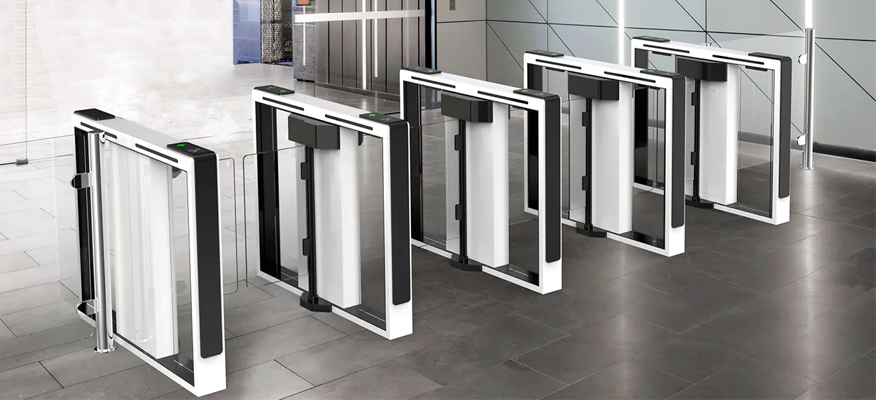
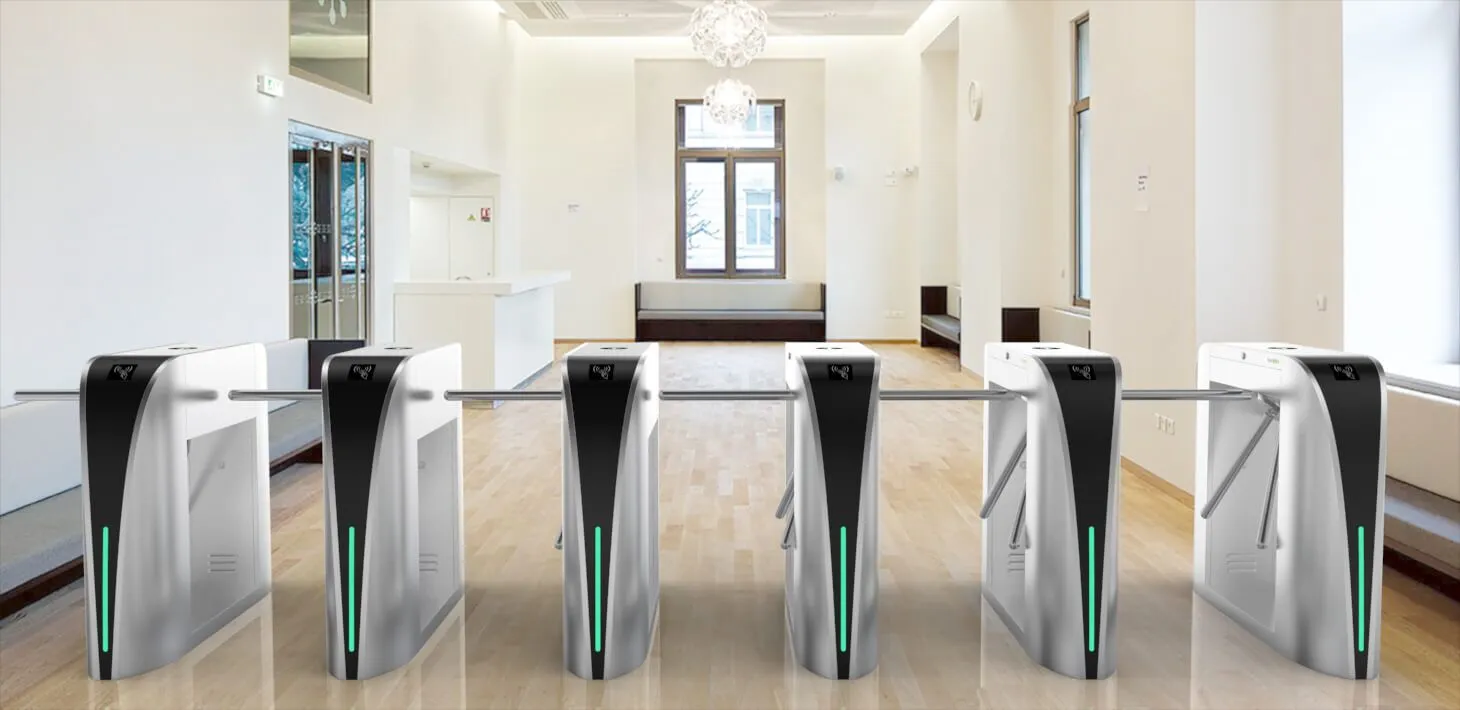
- Door or Gate Activation: The terminal sends a command to unlock a door, open a barrier, or allow a turnstile rotation.
- Logging & Reporting: The system records the event for auditing, time tracking, or security monitoring.
Core Benefits of VARITO Face Recognition Access Control
Touchless Entry for Hygiene and Convenience
A face recognition terminal supports contact-free authentication, which is especially useful in high-traffic areas and shared environments.
Smart Multi-Factor Options
Many deployments combine face recognition with other methods like RFID cards, PIN codes, fingerprints, or mobile credentials. This provides flexibility: face recognition for daily flow, and multi-factor for higher-security zones.
Role-Based Access Control
Different teams can have different access schedules and access levels. For example, staff can enter during business hours, while maintenance or vendors can be restricted to specific time windows.
Reduced Fraud and Credential Sharing
Face biometrics can help reduce the common issues seen with RFID cards such as sharing cards with unauthorized people or losing credentials.
Scalable from Single Door to Multi-Site
VARITO solutions can be deployed for a single entry door, a multi-door building, or a distributed environment with multiple locations requiring consistent access rules.
Where Face Recognition Access Control Is Used
Face recognition access control is used wherever security and efficient entry management are priorities:
- Corporate offices and headquarters (secure staff entry + visitor control)
- Factories and industrial facilities (workforce access + controlled zones)
- Educational institutions (campus access, dormitory entry, restricted areas)
- Healthcare facilities (staff-only access zones, sensitive areas)
- Residential and mixed-use buildings (lobby access and shared facilities)
- Government and high-security premises (strong identity verification)
- Data centers and server rooms (restricted access with auditing)
- Events and venues (fast, contactless staff or VIP entry)
Key Features to Look for in a Modern Facial Access Control System
Choosing the right system depends on your environment and security goals. A high-quality face recognition terminal should support practical performance, security protection, and integration readiness.
1) Accurate Face Matching in Real Conditions
Good systems are built to work with natural movement, varying lighting, and real-world entry patterns. Accuracy matters most during peak times when users move quickly.
2) Anti-Spoofing and Liveness Detection
A secure terminal should include protection against spoof attempts such as photos or replay videos. Liveness detection improves trust in authentication.
3) Fast Identification Speed
Speed is essential at entrances where queues can form. Modern systems aim for smooth operation without long scanning delays.
4) Clear Display and User Guidance
A well-designed interface shows entry status clearly and reduces confusion, especially when used by visitors or large groups.
5) Connectivity and Integration
A professional access control setup typically needs integration with:
- Door locks and relay outputs
- Access control panels/controllers
- Attendance or HR software
- Visitor management solutions
- Network connectivity for multi-site monitoring
Face Recognition + Access Control: Best Practice Deployment
To get the best outcome, plan your deployment around your entry behavior and security goals.
Entrance Design Matters
Place terminals at a suitable height and distance to capture faces properly. Avoid direct glare or extreme backlighting where possible. A clean entry zone improves speed and accuracy.
Define Access Policies Early
Decide who can access which areas and during what times. In many organizations, different doors have different rules: main entrance for staff, special doors for restricted departments, separate entry for vendors or visitors.
Use Multi-Factor Where Needed
For higher-security areas—such as server rooms or restricted offices—combine face recognition with RFID, PIN, or manager approval.
Maintain Enrollment Standards
Quality enrollment improves recognition performance. A controlled registration process reduces false rejects and creates a smoother daily experience.
Face Recognition Access Control vs Traditional Methods
Face Recognition vs RFID Cards
RFID cards are quick but can be shared, lost, or copied. Face recognition reduces credential sharing and improves identity accuracy.
Face Recognition vs PIN Codes
PIN codes are easy to implement but can be guessed or observed. Face recognition is more secure and reduces daily friction.
Face Recognition vs Fingerprint
Fingerprint is highly accurate but requires touch and may be affected by wet hands, gloves, or workplace conditions. Face recognition is touchless and often faster for high-traffic entrances.
Many organizations now adopt a hybrid approach: face recognition for smooth entry, plus card/PIN as backup.
Why Choose VARITO for Face Recognition Access Control?
VARITO provides access control solutions that focus on security performance, real-world usability, and integration readiness. With a strong product ecosystem, VARITO can support both simple installations and advanced deployments across different facility types.
Key reasons organizations choose VARITO
- Reliable, modern biometric access technology
- Touchless entry convenience with strong security control
- Integration support with access systems and entry barriers
- Suitable for scalable deployments from small to enterprise-level
- Professional brand positioning for modern buildings and facilities
For organizations seeking a smart, secure, and efficient way to manage entry, VARITO Face Recognition Access Control offers an excellent foundation.
Final Thoughts
Facial access control systems represent the next step in modern entry security by combining strong identity verification, seamless user experience, and smart access management into a single solution. As organizations continue to move toward digital and automated environments, traditional keys, cards, and PIN-based systems are gradually being replaced by faster, safer, and contactless authentication technologies.
A well-designed facial access control deployment not only improves security but also enhances operational efficiency, simplifies visitor and employee management, and creates a professional entry experience. With touchless operation, accurate identification, and easy integration with attendance and access management systems, facial recognition solutions support both convenience and accountability.
When implemented correctly with proper access policies and reliable hardware, facial access control becomes more than just a door entry system, it becomes a core component of a smart building ecosystem.
For facilities aiming to combine security, technology, and user convenience, modern solutions like VARITO Face Recognition Access Control provide a future-ready approach to managing secure and intelligent entry environments.
Key Applications of Milesight's People Sensing Sensors
Retail (Mall / Store / Supermarket)
Bi-directional footfall counting, dwell time detection, heat map analysis এবং customer behavior optimization।