

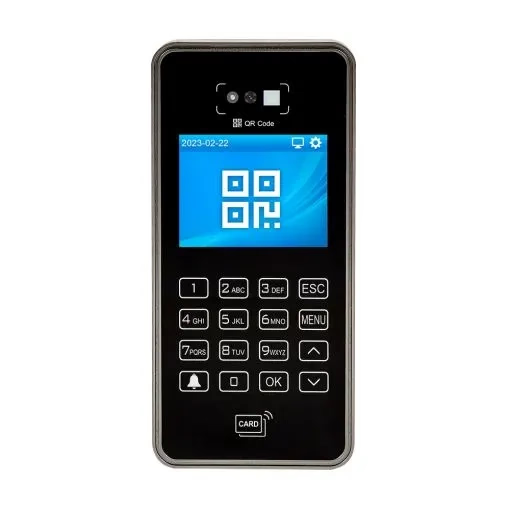
QR Code Access Control – Smart & Flexible Entry Management
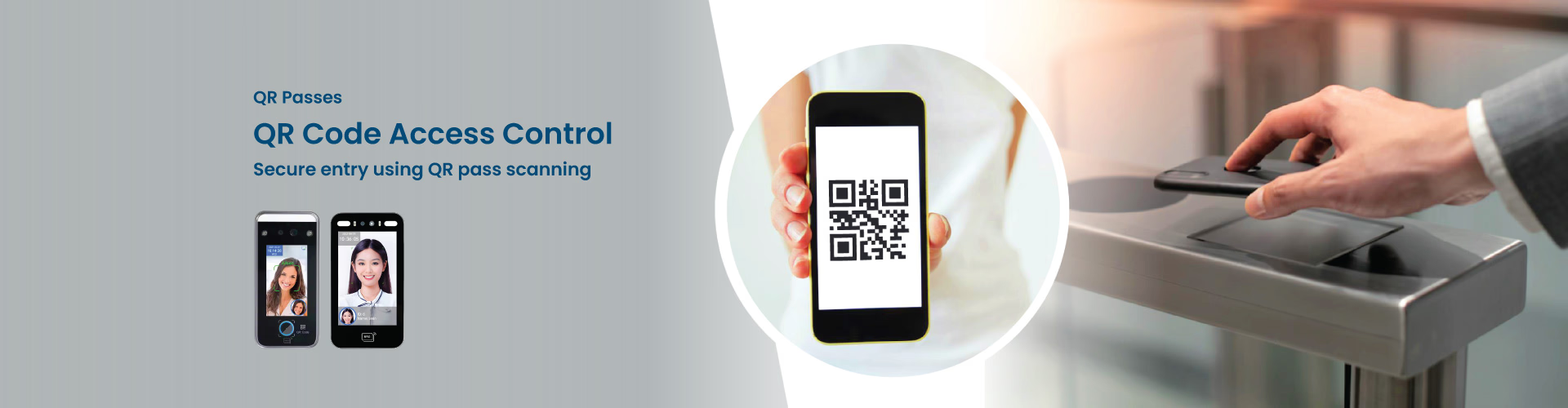
QR Code Access Control is a modern, highly flexible way to manage entry at doors, gates, turnstiles, and restricted areas using secure QR passes. Instead of issuing physical cards or keys, organizations can generate QR codes for employees, visitors, vendors, residents, students or event guests then validate these QR codes at the entrance using a scanner or smart access terminal.
What makes QR-based access especially powerful is its simplicity: it works with digital workflows, supports temporary permissions, and integrates easily with visitor management, attendance, ticketing, and access control systems. For facilities that want quick deployment, low friction entry, and precise control over who enters and when, QR code access is a practical and future-ready solution.
VARITO QR Code Access Control solutions are designed for professional facilities that need reliable entry control, clean visitor flow, and scalable integration whether it’s a corporate office, industrial site, university, transport point, residential complex or event venue.
What is QR Code Access Control?
QR code access control is a security system that grants or denies entry based on a QR code presented at a checkpoint. The QR code can be displayed on:
- A smartphone screen (most common)
- A printed pass
- A badge or ticket
- An email or PDF pass for guests
At the entry point, a QR scanner reads the code and checks whether it is valid and permitted for the requested access. If approved, the system unlocks a door, opens a gate, or allows a turnstile passage.
Unlike permanent credentials, QR passes can be:
- Time-limited (e.g., valid for one day or one hour)
- Single-use (expires after one entry)
- Role-based (staff vs visitor vs contractor)
- Zone-specific (valid only for certain doors/areas)
This makes QR code access control extremely useful for visitor-heavy environments, temporary access needs, and modern digital entry workflows.
Why QR Code Access Control is Growing in Modern Facilities
Organizations are shifting toward QR-based access because it is fast, cost-effective, and easy to manage. It reduces the overhead of producing cards, handles temporary access effortlessly, and improves the visitor experience.
1) Fast, Touchless Entry
Users can present a QR code without touching keypads or handing over documents. Entry remains smooth even during busy times.
2) Perfect for Visitors and Temporary Passes
QR is ideal for guests, vendors, interview candidates, delivery personnel, and contractors because you can generate access that expires automatically.
3) Reduces Card Management and Admin Load
No more printing and replacing lost cards as frequently. QR codes can be issued instantly via email, SMS, app, or internal portals.
4) Stronger Control with Time & Zone Rules
Admins can control entry schedules (working hours, weekends, special events) and restrict passes to specific zones.
5) Easy Integration with Digital Systems
QR access can integrate with visitor management, booking systems, ticketing platforms, and access controllers—creating a modern end-to-end entry ecosystem.
How VARITO QR Code Access Control Works
A typical VARITO QR code access workflow includes:
Step 1: QR Pass Generation
A QR code is generated for a user based on:
- Identity (employee/visitor/resident)
- Access zone/door/lane
- Validity period and rules
- Entry type (single or multiple use)
QR passes can be distributed via email, message, or system dashboard.
Step 2: QR Presentation at Entry
The user presents the QR code on their phone or printed pass at the scanner/terminal.
Step 3: QR Verification
The system verifies:
- Is the QR authentic?
- Is it still valid?
- Is the user allowed at this point?
- Is it within the allowed time schedule?
- Has it already been used (if single-use)?
Step 4: Access Granted
If valid, the door unlocks, turnstile rotates, or barrier opens.
Step 5: Logging & Reporting
Every scan can be logged with timestamp, location, user/visitor ID, and status (approved/denied) for monitoring and reporting.
This structure supports both security and operational efficiency.
Common Use Cases for QR Code Access Control
QR code access is highly versatile and works well in many environments:
Corporate Offices
- Guest entry passes (meetings, interviews)
- Vendor access management
- Staff entry in shared workspaces
Factories and Industrial Sites
- Contractor passes for limited zones
- Visitor entry control with approval logs
- Area restrictions for safety zones
Universities and Campuses
- Student entry to libraries and labs
- Event access and guest control
- Dormitory or facility entry schedules
Residential and Mixed-Use Buildings
- Visitor QR passes for residents
- Delivery access windows
- Facility access for shared amenities
Events, Stadiums and Venues
- Ticket QR integration
- Staff and backstage passes
- Controlled lane entry with fast throughput
Transport and Public Facilities
- Controlled entry zones
- Temporary pass systems
- High traffic scanning points
Key Features of QR Code Access Control System
A professional QR access system should provide more than just scanning—it should offer security controls and flexible administration.
1) Secure QR Code Design
A QR pass should be difficult to forge. Many secure systems use:
- Encrypted QR payloads
- Time-limited tokens
- Device or identity-linked passes
- One-time or rotating codes
2) Fast Scanning Performance
High-quality QR scanners should work quickly even when:
- Phones have low brightness
- QR is slightly tilted
- Lighting conditions vary
- Many people scan continuously
3) Online/Offline Reliability
Some facilities require operation even during network issues. A strong system should support stable verification logic to minimize downtime risk.
4) Access Rules & Scheduling
The system should allow:
- Time-based access
- Zone-based permissions
- Single or multiple entry settings
- Blacklist/deny rules if needed
5) Integration with Doors, Gates and Turnstiles
QR code access becomes more powerful when integrated with:
- Door locks and access panels
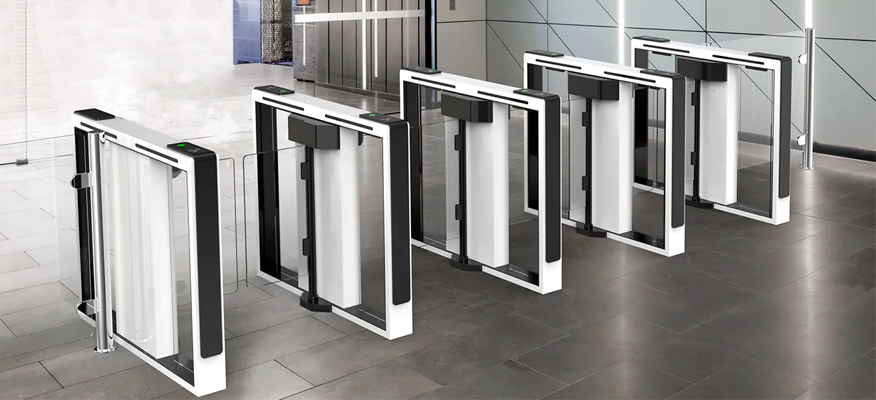
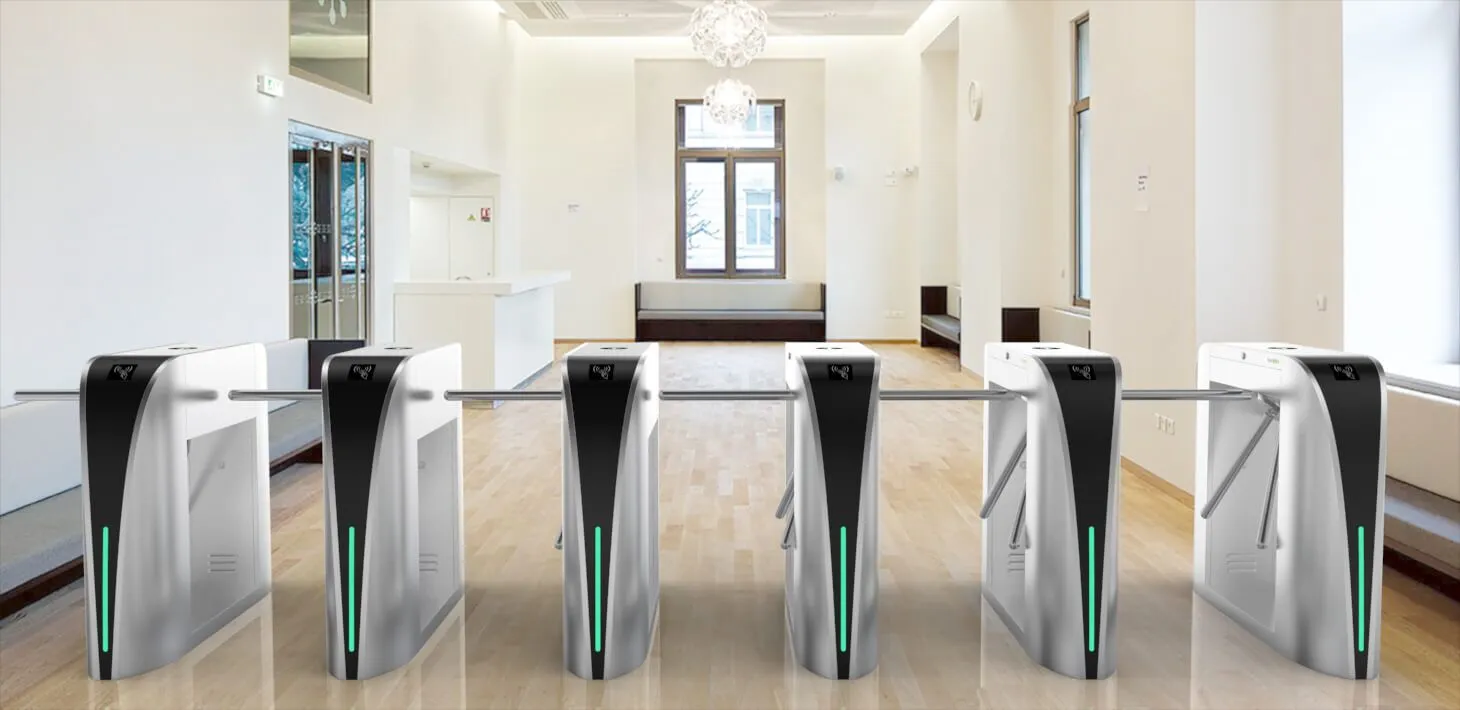
- Tripod turnstiles and swing gates
- Boom barriers for vehicle control
- Visitor management systems
6) Central Dashboard and Reporting
Admins should be able to:
- Generate and revoke QR passes
- View entry logs and scan results
- Track visitor flow patterns
- Export reports for compliance
QR Code Access Control vs RFID, PIN and Biometrics
QR vs RFID Card Access
RFID is great for daily staff access but requires card issuance and card replacement. QR is excellent for temporary access and visitor management without physical credentials.
QR vs PIN Code
PIN codes are easy but can be shared. QR passes can be user-specific and time-limited, improving security.
QR vs Face Recognition
Face recognition is fastest for high-security and staff-focused flow, but QR is more flexible for visitors and temporary access because it doesn’t require biometric enrollment.
QR vs Fingerprint
Fingerprint is highly secure for workforce attendance and staff identity, while QR is better for visitor access and dynamic entry permissions.
Many facilities use hybrid access: biometrics for employees and QR for visitors and temporary access.
Best Practices for Deploying QR Code Access Control
To ensure a smooth deployment, consider these professional guidelines:
Design Your Entry Flow
Place scanners at a comfortable height and ensure clear lane guidance. In high traffic areas, consider multiple scanners or lanes.
Define Pass Types
Create separate pass rules for:
- Employees (long-term)
- Visitors (time-limited)
- Vendors/contractors (zone-limited)
- Events (single-use)
Automate Visitor Approval
If you use visitor management, automate QR pass issuance after approval. This reduces manual admin workload and improves entry experience.
Set Expiration and Access Windows
QR passes should expire automatically to reduce security risks. Use time schedules to ensure QR passes only work within approved windows.
Always Log Entry Events
Logs improve security accountability and help investigate incidents. They also help optimize entrance efficiency.
Building a Complete VARITO Smart Entry Ecosystem
VARITO QR code access control can be part of a complete security and access ecosystem:
- QR access for visitors and events
- RFID for staff and residents
- Face recognition for touchless premium entry
- Fingerprint for workforce attendance discipline
- Turnstiles and barriers for controlled pedestrian flow
- CCTV integration for monitoring entry points
- Visitor management software for approvals and logs
This layered approach combines convenience with professional-grade security.
Why Choose VARITO QR Code Access Control?
VARITO solutions are designed for modern facilities that need speed, flexibility, and control:
- Fast and reliable QR scanning for smooth entry
- Flexible pass rules (time, zone, single-use, multi-use)
- Suitable for visitors, staff, contractors, and event guests
- Integration-ready with doors, turnstiles, and access controllers
- Centralized management and reporting capabilities
- Professional entry experience aligned with modern security expectations
Final Thoughts / Conclusions
QR Code Access Control is one of the most practical entry technologies for today’s digital facilities because it balances convenience, flexibility, and security in a simple workflow. It enables organizations to issue access instantly, manage temporary entry without physical credentials, and maintain clean entry logs for monitoring and accountability.
Whether you are managing a corporate building, industrial site, university, residential complex, or event venue, QR-based entry provides a modern and scalable path to smarter access control. When combined with strong access rules, reliable scanning hardware, and integration with entry barriers or visitor management tools, QR code access control becomes a powerful part of a complete smart security ecosystem.
For organizations seeking a fast, professional, and future-ready entry solution, VARITO QR Code Access Control is an excellent choice.
Key Applications of Milesight's People Sensing Sensors
Retail (Mall / Store / Supermarket)
Bi-directional footfall counting, dwell time detection, heat map analysis এবং customer behavior optimization।