
What is an Access Control System?
An Access Control System (ACS) is a security solution that regulates who can enter or exit a building, room, or restricted area. By using authentication methods such as keycards, PIN codes, or biometric scans, these systems ensure only authorized individuals gain access. In Germany, businesses, government facilities, and industrial sites rely on access control devices to enhance security, improve efficiency, and integrate with time attendance systems.
Access control systems originated from simple mechanical locks but have evolved into highly complex, integrated digital networks. They offer centralized control over multiple entry points and provide real-time data for audits and compliance.
From office buildings to data centers and factories, these systems ensure that only authorized personnel have access, reducing the risk of unauthorized intrusions and internal threats.
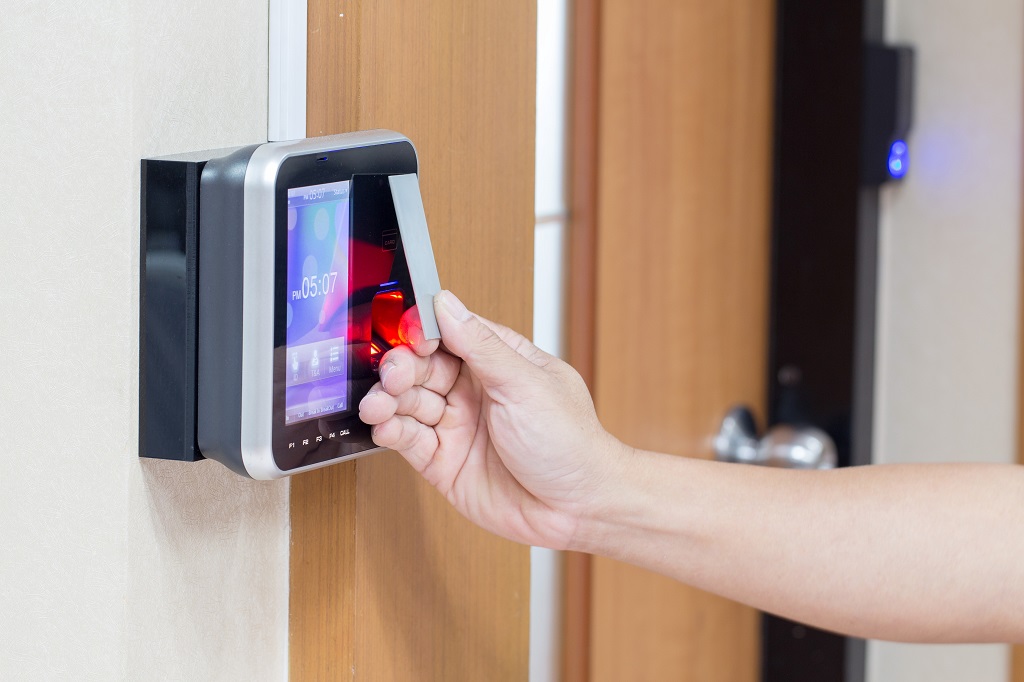
Types of Access Control System Devices
Modern security infrastructure includes various types of access control devices tailored to different needs:
1. Biometric Access Control Devices
- Use fingerprints, iris scans, or facial recognition.
- Hard to duplicate, offering high-level security.
2. Card-Based Systems
- Utilize magnetic stripe, proximity, or smart cards.
- Ideal for large organizations with rotating personnel.
3. Mobile Access Control
- Leverages smartphone apps for contactless entry.
- Enables remote access permissions and real-time control.
4. RFID/NFC Systems
- Fast, touchless, and reliable.
- Widely used in industrial and logistics sectors.
Each type varies in sophistication and application but shares a common goal to safeguard people, property, and information.
Biometric Access Control System
Biometric devices are among the most trusted forms of security due to their ability to uniquely identify individuals. Key biometric technologies include:
• Fingerprint Scanners – Quick, affordable, and widely adopted.
• Facial Recognition Systems – Non-contact and suited for hygiene-sensitive environments.
• Iris Recognition – Offers the highest accuracy but is more expensive. Biometric access control systems are commonly used in banks, airports, hospitals, and corporate offices in Germany, where security is paramount.
Components of an Access Control System
An effective access control setup comprises several core components:
- Access Control Panel – The brain of the system.
- Credential Readers – Devices that read user IDs.
- Electronic Locks – Mechanisms that lock/unlock based on authentication.
- Control Software – Dashboards for managing permissions, logs, and audits.
Together, these components ensure a seamless and secure user experience while allowing admins to manage access across multiple entry points.
How Access Control Devices Improve Security
Here are the top benefits of using access control devices:
- Restrict Unauthorized Entry – Only permitted users can gain access.
- Create Audit Trails – Track every entry and exit.
- Lower Risk of Theft or Data Breaches – Protect sensitive zones.
- Enhance Productivity – Reduce distractions and interruptions.
Organizations report a 60% reduction in security breaches after installing access control systems.
Key Features to Look for in an Access Control Device
When choosing the right device, consider:
- Real-Time Monitoring – Immediate updates on access activity.
- Multi-Door Management – One system for many doors.
- Cloud Access – Remote management from anywhere.
- Integration Compatibility – Sync with fire alarms and CCTV.
- User Scalability – Easily add or remove users.
These features ensure long-term efficiency and adaptability for your evolving security needs.
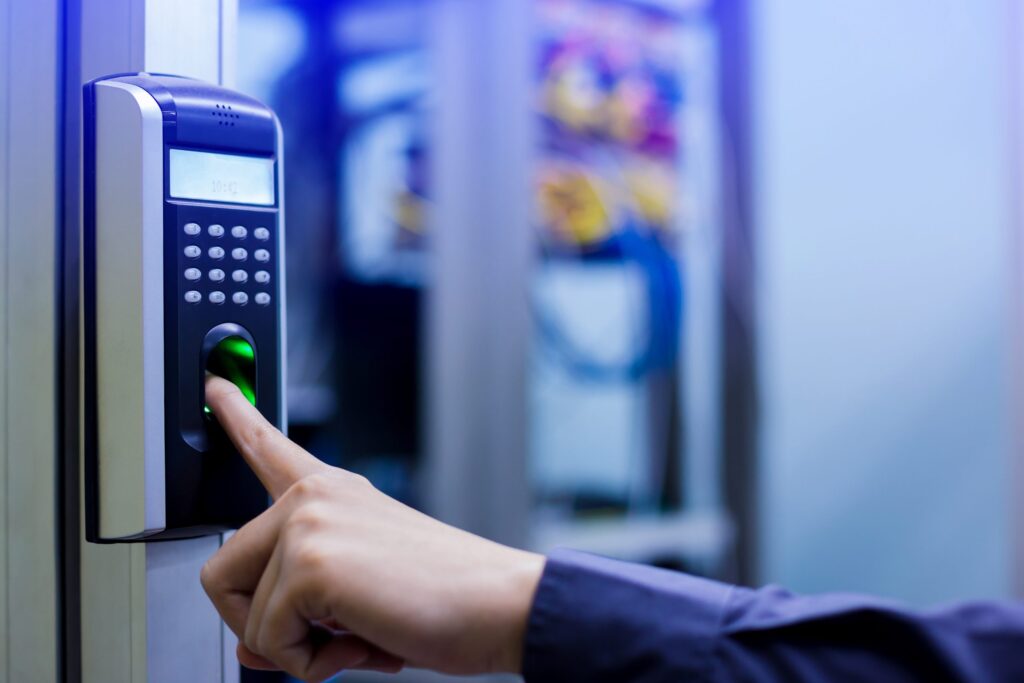
Access Control & Time Attendance Device
Combining Access Control with Time Attendance offers dual benefits:
- Tracks employee check-in/out times.
- Prevents time fraud and buddy punching.
- Automatically generates attendance reports.
It’s ideal for medium to large enterprises seeking better workforce management and compliance.
Advantages of Access Control and Time Attendance System
These dual-purpose systems offer:
- Efficient HR Operations – Automated record-keeping.
- Improved Productivity – Accurate monitoring of working hours.
- Legal Compliance – Meets labor law regulations.
Custom Alerts – Late arrivals or unauthorized overtime.
Choosing the Right Access Control System Device Supplier in Germany
Before selecting a supplier, evaluate:
- Certifications & Experience – Ensure adherence to European standards.
- Technical Support – 24/7 local or remote help.
- Client Testimonials – Real reviews from trusted businesses.
A reputable supplier provides not just hardware but also support and service that evolve with your needs.
German Market Trends for Access Control Systems (2025)
Top trends in 2025 include:
- AI-Driven Security – Smarter threat detection.
- Mobile-First Access – Phones as access keys.
- Cloud Management – Centralized access across locations.
Sustainable Design – Low power, recyclable materials.
Access Control and Time Attendance System Price in Germany 2025
Here’s a pricing overview:
| System Type | Price Range (EUR) |
| Basic RFID System | €150 – €400 per door |
| Biometric Fingerprint Access | €300 – €700 per unit |
| Facial Recognition + Time Attendance | €700 – €1,500 per unit |
| Enterprise-Level Cloud System | €5,000 – €25,000 (complete) |
Tip: Request a site audit for accurate estimates.
Installation and Maintenance Tips
A well-installed and maintained system ensures long-term reliability. Here are some essential guidelines:
1. Professional vs DIY Installation
While DIY systems are available, hiring professionals guarantees correct setup, configuration, and integration with other systems. Especially for biometric access control systems, expert installation is critical for accuracy and security.
2. Routine Maintenance
Regularly update software, clean biometric sensors, and check power backups. Schedule quarterly check-ups to ensure smooth operations.3. Remote Monitoring and Support
Modern systems allow remote diagnostics and updates. Ensure your supplier provides this service for minimal downtime.
Legal Compliance in Germany for Access Systems
In Germany, privacy and data protection are governed by GDPR, making compliance a top priority for access control implementations.
- Data Storage: Biometric data must be encrypted and stored securely.
- Consent: Users must give explicit permission before their data is collected.
- Audit Trails: Records should be kept for a reasonable period and shared only with authorized personnel.
Working with certified vendors ensures that your system complies with all legal and ethical standards.
Integration with Other Security Systems
Access control systems don’t work in isolation. To build a comprehensive security environment, they should integrate with:
- CCTV Cameras – Video logs matched with access events.
- Fire Alarm Systems – Automatically unlock doors during emergencies.
- Visitor Management Software – Manage guests, issue temporary badges.
Integrated systems offer a 360-degree security solution, making your facility smarter and safer.
Future of Access Control Devices
The future is bright and bold for access control technologies. Innovations on the horizon include:
- Artificial Intelligence – Behavioral pattern recognition, predictive security measures.
- Internet of Things (IoT) – Smart devices interacting in real time.
- Blockchain for Identity – Immutable and decentralized user credentials.
As organizations embrace Industry 4.0, access control systems will evolve into intelligent ecosystems offering unmatched security and efficiency.
Common Mistakes to Avoid When Choosing an Access System
Avoid these pitfalls:
- Overlooking Scalability – Choose a system that grows with your business.
- Focusing Only on Price – Cheap isn’t always secure.
- Ignoring User Training – Ensure staff understand how to use the system effectively.
- Neglecting Software Updates – Outdated systems are vulnerable to breaches.
Making informed decisions today saves you from costly fixes tomorrow.
FAQs on Access Control Systems in Germany
1. What is an Access Control System and how does it work?
It is a security solution that regulates who can access specific areas, using credentials like cards, biometrics, or codes.
2. What is the price of Access Control and Time Attendance System in Germany 2025?
Prices range from €150 for basic systems to over €25,000 for enterprise cloud-based setups, depending on features and coverage.
3. Are biometric access control systems safe?
Yes, when encrypted and compliant with GDPR, biometric systems offer one of the highest security levels available.
4. Can access control systems be integrated with CCTV?
Absolutely. Integration allows you to link access events with video footage for enhanced security insights.
5. Is cloud-based access control reliable?
Cloud systems offer real-time monitoring, updates, and scalability, making them highly reliable and cost-efficient.6. What should I look for in a supplier in Germany?
Look for certifications, GDPR compliance, strong support, integration capabilities, and positive client reviews.
Why Access Control Devices Are a Must in 2025
In 2025, businesses in Germany face increasing demands for security, efficiency, and compliance. An Access Control System Device is no longer a luxury—it’s a strategic necessity. Whether you choose a biometric access control system, an RFID-based solution, or a cloud-integrated time attendance system, the right technology enhances not just security, but also productivity and compliance.
