Digital Signage Displays are redefining how businesses in Germany connect with their audiences. From bustling shopping malls in Berlin to high-tech campuses in Munich, digital displays are now an essential part of communication and branding. This article dives deep into what digital signage is, how it works, and why it’s the top choice for modern commercial displays.
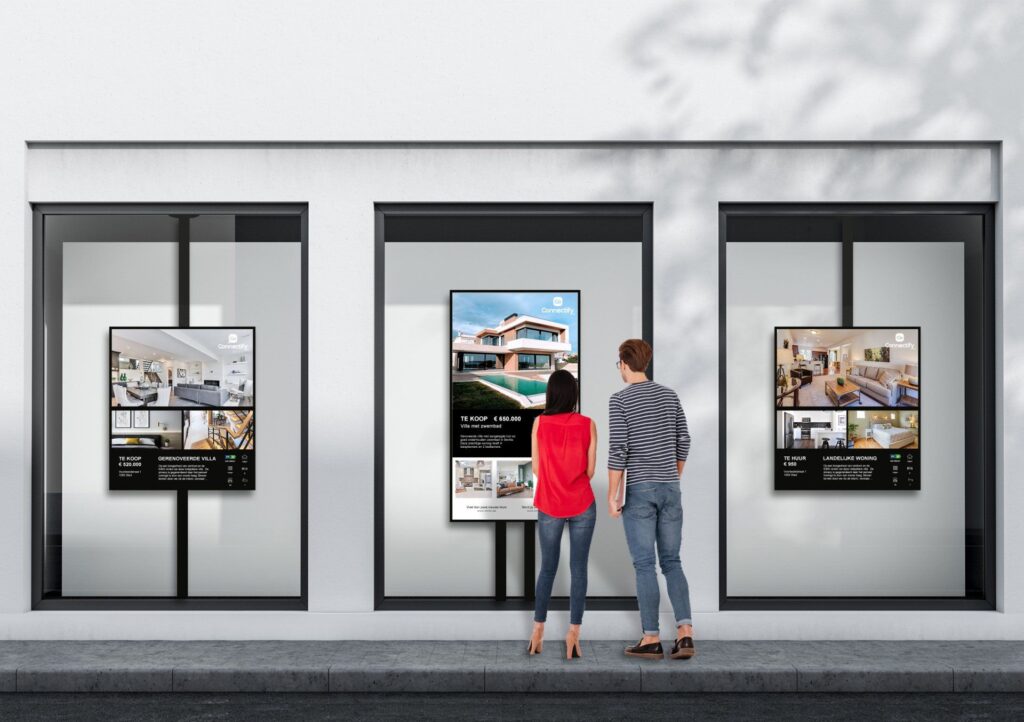
What is Digital Signage Display?
Digital signage refers to the use of digital screens—such as LED, LCD, or OLED panels—to display multimedia content. It’s an evolution from traditional print advertising, offering more flexibility, efficiency, and engagement.
History in Brief
Digital signage first appeared in transportation hubs. By the early 2000s, retail and corporate sectors across Europe began integrating it into everyday customer interaction strategies.
Key Components
- Digital Screens (LED/LCD)
- Media Players (Hardware to drive content)
- Content Management System (CMS)
- Internet Connectivity
- Mounting and Installation Kits
How Digital Signage Displays Operate
Digital signage systems combine software and hardware to deliver targeted messages across one or many screens.
Hardware Overview
- Display Types: LED for outdoor visibility, LCD for indoor clarity, OLED for high-end aesthetics.
- Media Players: Devices that manage and deliver the content.
- Connectivity Options: Wi-Fi, Ethernet, or even 5G.
Software Functions
The CMS software schedules, designs, and manages what each screen displays. These tools also enable remote content updates, analytics, and automation.
Commercial Display vs Traditional Advertising
Digital vs Print: A Comparison
- Dynamic Content: Supports animation, videos, and real-time updates.
- Centralized Management: Control multiple locations from one dashboard.
- Reduced Costs: Eliminate repeated printing and installation fees.
Commercial Display: How Businesses Benefit from Digital Signage
The commercial display sector has embraced digital signage for its ability to enhance customer experience, boost sales, and streamline operations. Below are some key industries leveraging this technology:
1. Retail & Advertising
- Dynamic promotions – Display real-time discounts and offers
- Interactive kiosks – Help customers browse products
- Brand storytelling – Engage shoppers with immersive content
2. Corporate & Offices
- Employee communication – Share announcements and KPIs
- Wayfinding solutions – Guide visitors in large office spaces
- Digital meeting room schedules – Improve efficiency
3. Healthcare & Hospitals
- Patient information systems – Display wait times and health tips
- Emergency alerts – Provide real-time updates
- Wayfinding for large facilities – Help patients navigate easily
4. Education & Institutions
- Digital notice boards – Share event schedules and news
- Interactive learning tools – Enhance student engagement
- Campus navigation – Assist students and visitors
5. Transportation & Hospitality
- Airport & train station displays – Show departure/arrival times
- Hotel digital directories – Improve guest experience
- Restaurant menu boards – Update prices and promotions instantly

Digital Signage Display in Germany 2025: Emerging Trends
Germany is at the forefront of digital signage innovation, with several trends shaping the industry in 2025:
1. AI-Powered Personalization
Artificial intelligence (AI) enables hyper-personalized content based on viewer demographics, weather, and even facial expressions.
2. Increased Use of Touchless Technology
Post-pandemic, gesture control and voice-activated displays are gaining popularity for hygiene and convenience.
3. Sustainability & Energy Efficiency
German manufacturers are focusing on eco-friendly displays with solar power integration and low-energy consumption.
4. 8K Resolution & Micro LED Displays
Ultra-high-definition screens provide unmatched clarity, making them ideal for luxury retail and high-end advertising.
5. Integration with IoT & Smart Cities
Digital signage is becoming part of smart city infrastructure, offering real-time traffic updates, emergency alerts, and public service announcements.
Why Choose a Reliable Digital Signage Display Supplier
Investing in high-quality digital signage requires partnering with a trusted supplier. Here’s why businesses in Bangladesh should opt for professional providers:
1. Local Expertise & Support
Suppliers in Bangladesh understand local market needs and provide tailored solutions.
2. Affordable Pricing
Compared to international suppliers, local vendors offer cost-effective solutions without compromising quality.
3. After-Sales Service & Maintenance
Reliable suppliers ensure quick technical support, repairs, and software updates.
4. Custom Solutions
From indoor digital menu boards to large outdoor LED screens, suppliers offer customized displays for every business need.
5. Future-Proof Technology
Leading suppliers provide cutting-edge displays with the latest software and hardware advancements.
Industry Applications in Germany
Retail
Showcase promotions, direct in-store traffic, and increase upselling.
Healthcare
Display queue status, health tips, or emergency alerts.
Education
Timetables, news, and student announcements in real time.
Transport
Real-time arrivals, service updates, and weather alerts.
Corporate
Welcome screens, internal announcements, and wayfinding.
Cost Analysis for Digital Signage Displays in Germany
Estimated Budgets
- Small stores: €1,000–€5,000
- Mid-sized chains: €5,000–€15,000
- Corporate setups: €20,000+
Return on Investment
Businesses report up to 30% increased customer engagement and 20% rise in sales.
Digital Signage Trends in Germany for 2025
- 8K UHD Displays: For high-density urban areas
- AI-based personalization: Adaptive content based on audience data
- Touchless Interfaces: Gesture and voice-activated displays
- Green Signage: Energy-saving LED tech and solar integration
Real-World Success Stories in Germany
Berlin Retail Chain
Implemented a network of 80 screens across outlets. Noticed 25% uplift in cross-sales within 3 months.
Hamburg University
Installed interactive displays across campus. Improved student satisfaction scores and information retention.
Sustainability & Eco-Efficiency
Why It Matters
- Lower carbon footprint compared to printed posters
- Use of low-energy LEDs
- Recyclable display materials
Legal & Compliance Factors
- GDPR: Ensure consent if using facial recognition or data tracking
- Advertising Guidelines: Avoid false claims or banned content
- Intellectual Property: Use licensed images/videos
Installation & Maintenance Best Practices
Steps
- Site survey and planning
- Installation with power/network setup
- Screen calibration and testing
Maintenance
- Regular software updates
- Periodic cleaning and screen checks
- Network security checks
FAQs About Digital Signage Display
1. What is Digital Signage Display?
It’s a system that uses digital screens to present multimedia content such as videos, ads, and real-time information.
2. Can content be updated remotely?
Yes. Cloud-based CMS systems allow instant, remote updates.
3. What industries benefit the most?
Retail, transport, education, healthcare, and hospitality.
4. What’s the expected lifespan of a display?
High-quality displays typically last 5–7 years with proper care.
5. Is it cost-effective for small businesses?
Absolutely. Entry-level packages start affordably and scale easily.
6. Is digital signage legal in public areas?
Yes, provided it adheres to local laws and privacy regulations.
Why Digital Signage is Germany’s Commercial Future
In the digital-first world of 2025, digital signage displays aren’t just tools—they’re strategic assets. Whether you’re enhancing a shopping experience in Stuttgart or managing a smart campus in Cologne, this technology offers unmatched flexibility, engagement, and ROI.